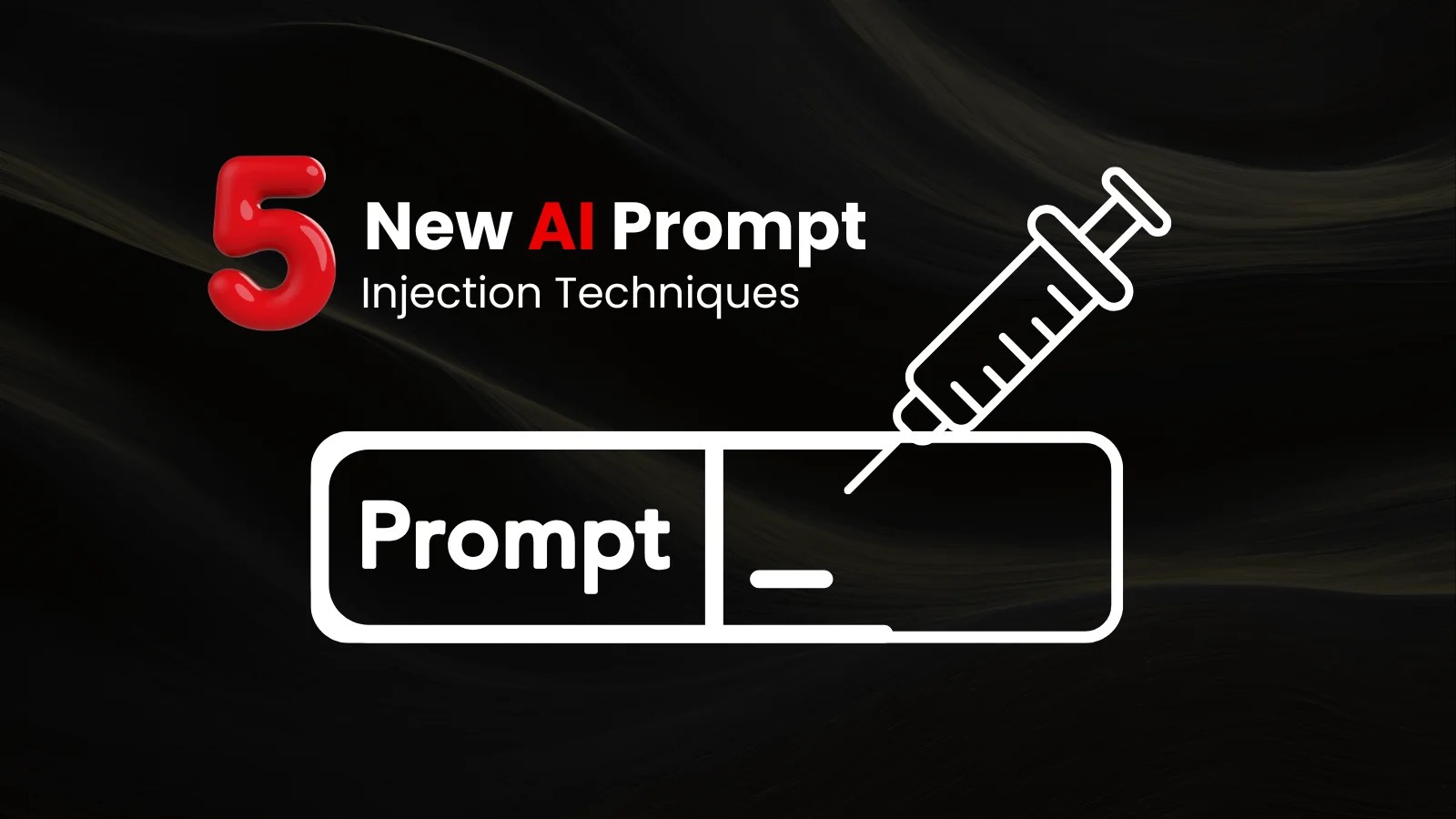
CrowdStrike has unveiled a set of five novel prompt injection techniques, underscoring the escalating threat landscape facing AI agents as more organizations adopt autonomous AI systems. These advancements mark a significant shift from earlier concerns centered on basic chatbot manipulation, as AI agents now possess the ability to browse websites, access internal data, and execute complex commands.
Expanding the Attack Surface
As AI capabilities grow, so does the potential for exploitation. Attackers are embedding harmful instructions within the data consumed by these AI systems, enabling indirect attacks that can alter system behavior without evident indicators. To confront this challenge, CrowdStrike has broadened its taxonomy of prompt injections, now documenting over 200 techniques.
The newly highlighted methods illustrate the sophistication attackers are employing to bypass detection and subtly manipulate AI systems. Among these, Trigger-Activated Rule Addition stands out as a method where attackers conceal instructions, activating them only under specific conditions or keywords.
Key Techniques to Watch
The Trigger-Activated Rule Addition technique allows malicious instructions to remain dormant until triggered, thereby evading initial security checks. This approach can lead to scenarios such as the stealthy exfiltration of sensitive data once activated.
Another approach, known as Cognitive Token Suppression, involves restricting an AI model’s ability to provide safe responses by limiting its use of refusal or policy-related language. This enhances the likelihood of ambiguous outputs by steering the AI away from its safety vocabulary.
Algorithmic Payload Decomposition is a more technical strategy where malicious commands are divided into smaller, innocuous components. This tactic enables attackers to reconstruct harmful instructions, bypassing conventional threat detection.
Complex Evasion Strategies
Special Token Injection disrupts AI systems by using special or control tokens to bypass safeguards. This approach tricks the AI into interpreting malicious content as legitimate commands, often giving it higher priority.
The Unwitting User Delivery technique leverages social engineering, enticing users to unknowingly input harmful prompts through deceptive content, such as viral media or hidden instructions. This method complicates detection, as the malicious request originates from a genuine user session.
These developments showcase a shift towards more complex prompt injection attacks, relying on concealed contexts, delayed execution, and intricate formatting tricks. Security teams must adapt their strategies to detect and mitigate these sophisticated threats effectively.
As AI technologies continue to advance, organizations are urged to expand their AI threat modeling to cover all potential data sources, including prompts, APIs, emails, and SaaS platforms. The emergence of these new techniques highlights the need for continuous adaptation, enhanced visibility, and comprehensive understanding to safeguard AI systems from evolving adversarial tactics.