Skip to content
  • Home
  • Cyber Map
  • About Us – Contact
  • Disclaimer
  • Terms and Rules
  • Privacy Policy
Cyber Web Spider Blog – News

Cyber Web Spider Blog – News

Globe Threat Map provides a real-time, interactive 3D visualization of global cyber threats. Monitor DDoS attacks, malware, and hacking attempts with geo-located arcs on a rotating globe. Stay informed with live logs and archive stats.

  • Home
  • Cyber Map
  • Cyber Security News
  • Security Week News
  • The Hacker News
  • How To?
  • Toggle search form
Cybercriminals Exploit Cloud Services for Phishing

Cybercriminals Exploit Cloud Services for Phishing

Posted on February 4, 2026 By CWS

Cybersecurity experts are increasingly concerned as attackers innovate by leveraging reputable cloud services to execute phishing schemes, posing a new challenge to enterprise security teams globally.

Cloud Services as a New Avenue for Phishing

In a notable shift, cybercriminals are utilizing established cloud platforms like Microsoft Azure, Google Firebase, and AWS CloudFront to host their phishing infrastructure. This tactic allows them to exploit the credibility of these renowned services, complicating detection efforts for traditional security measures.

These attacks predominantly affect corporate users, aiming to infiltrate business systems and access confidential enterprise credentials. Initially, victims receive persuasive phishing emails with links or QR codes, which employ multiple evasion layers to bypass security features.

Advanced Techniques and Increased Threats

Security analysts, particularly those from Any.Run, have observed this trend while tracking phishing kit infrastructures worldwide. They identified that some of the most perilous campaigns employ Adversary-in-the-Middle (AiTM) phishing kits. These kits function as intermediary proxies, capturing credentials and session tokens in real-time, even when multi-factor authentication is in use.

Prominent phishing kits like Tycoon2FA, Sneaky2FA, and EvilProxy dominate these enterprise-targeted attacks. Offered as Phishing-as-a-Service, these kits lower the technical barrier for attackers, making sophisticated phishing capabilities more widely accessible.

Overcoming Detection and Security Challenges

Traditional security indicators struggle against these cloud-hosted threats due to the trusted nature of the platforms used. Security tools often fail to detect malicious activity as phishing pages are hosted on legitimate domains, rendering conventional methods ineffective.

The use of services like Cloudflare further complicates identification efforts by masking the origin server’s IP address, allowing attackers to swiftly replace compromised domains and maintain their operations.

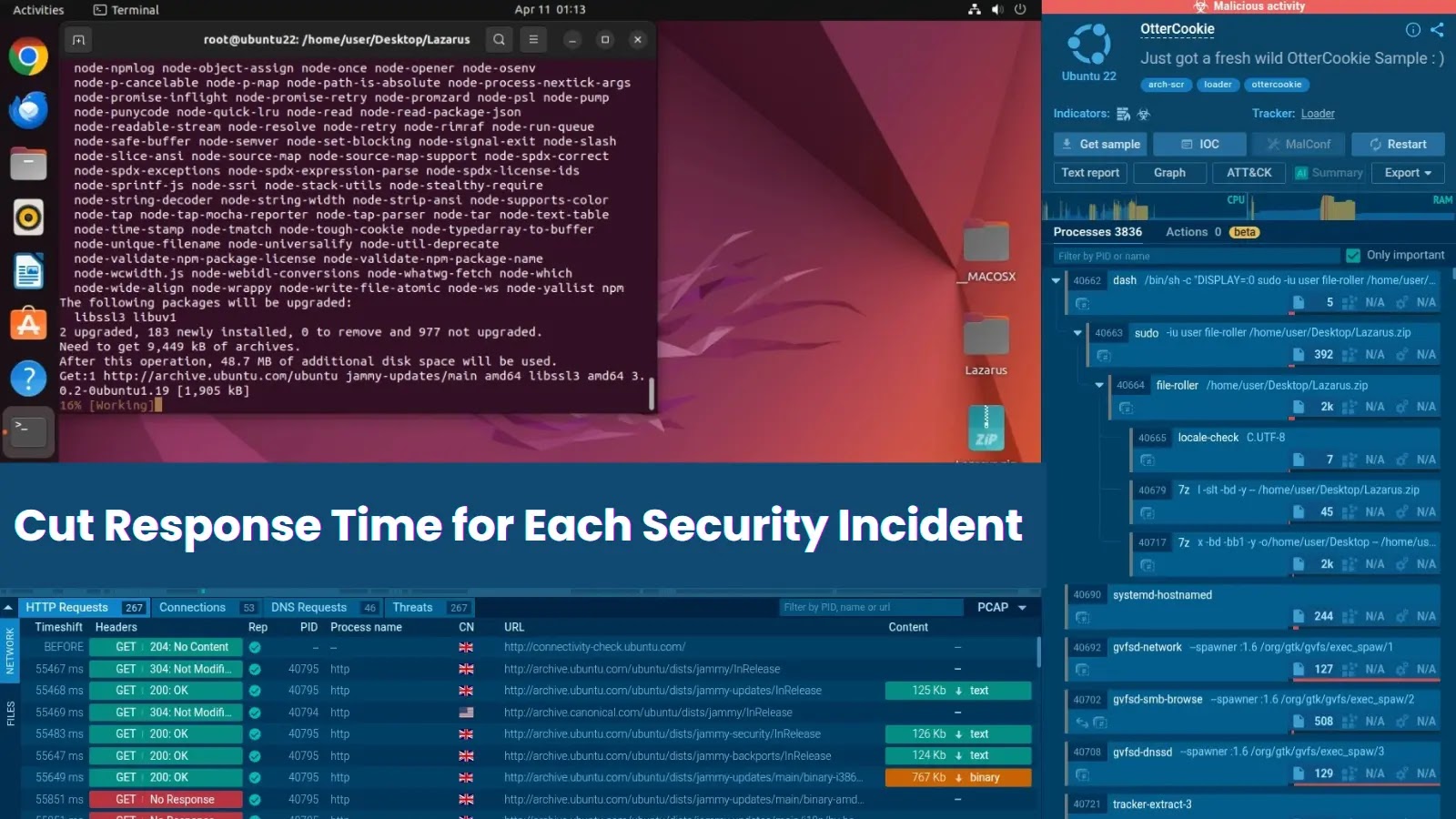
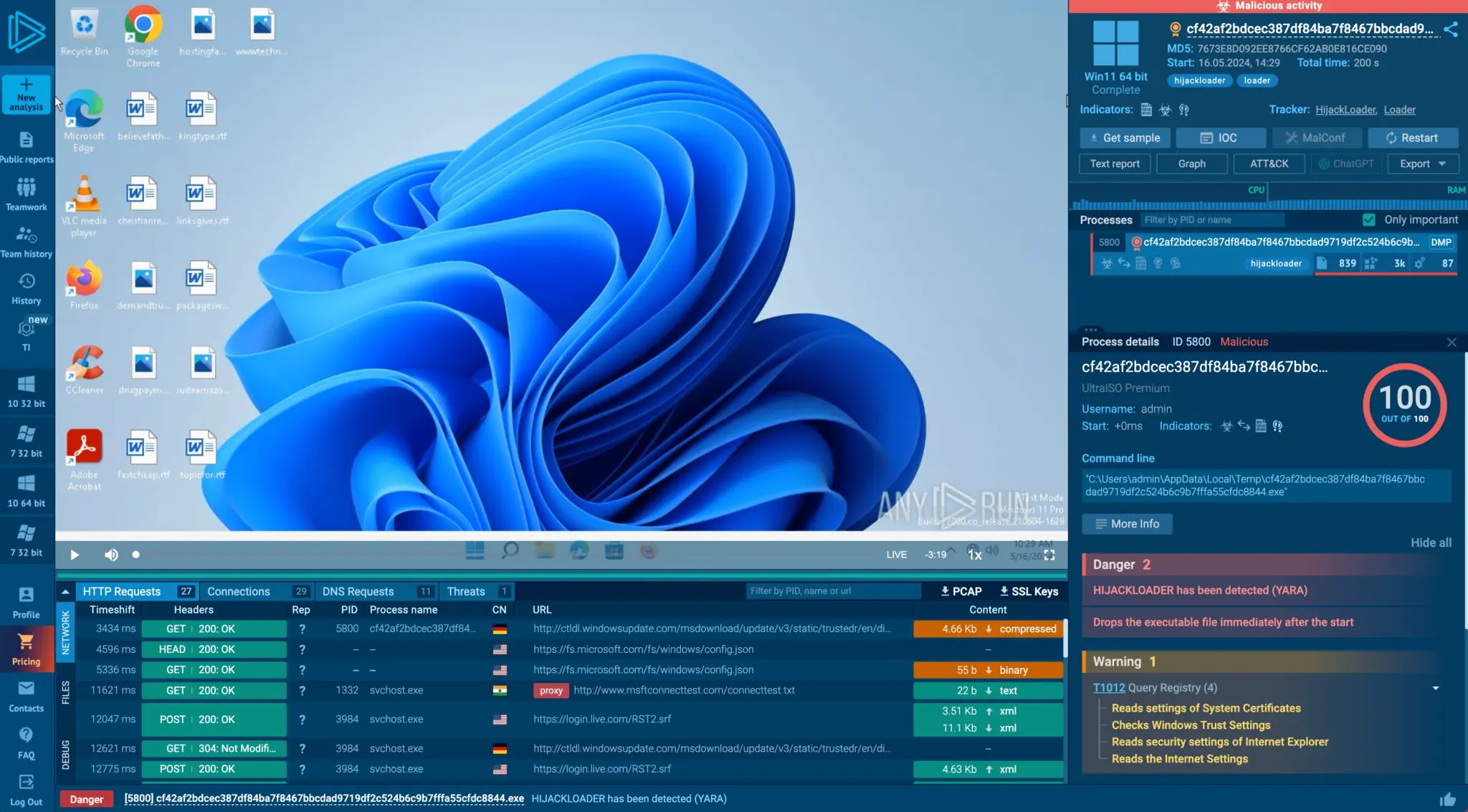
To counter these advanced phishing campaigns, organizations should adopt continuous threat intelligence monitoring and behavioral analysis. Interactive sandboxing solutions can provide security analysts with the ability to explore attack chains safely and discover credential theft tactics that static tools may overlook.

Stay updated with the latest cybersecurity trends by following us on Google News, LinkedIn, and X, and set CSN as your preferred source on Google for more updates.


Cyber Security News Tags:Adversary-in-the-Middle, cloud platforms, Cybersecurity, enterprise security, Google, Microsoft, multi-factor authentication, Phishing, phishing kits, threat intelligence

Post navigation

Previous Post: Addressing SOC False Negatives with Interactive Analysis
Next Post: CISA Alerts on VMware ESXi Vulnerability in Ransomware

Related Posts

Phantom Device Exploits Bypass Azure AD Security Phantom Device Exploits Bypass Azure AD Security Cyber Security News
Vulnerable Codes in Legacy Python Packages Enables Attacks on Python Package Index Via Domain Compromise Vulnerable Codes in Legacy Python Packages Enables Attacks on Python Package Index Via Domain Compromise Cyber Security News
GLOBAL GROUP’s Golang Ransomware Attacks Windows, Linux, and macOS Environments GLOBAL GROUP’s Golang Ransomware Attacks Windows, Linux, and macOS Environments Cyber Security News
Understanding SPF Flattening for Email Authentication Understanding SPF Flattening for Email Authentication Cyber Security News
AI SPERA Presents AITEM at Infosecurity Europe 2026 AI SPERA Presents AITEM at Infosecurity Europe 2026 Cyber Security News
Threat Actors Leverage Several RMM Tools in Phishing Attack to Maintain Remote Access Threat Actors Leverage Several RMM Tools in Phishing Attack to Maintain Remote Access Cyber Security News

Categories

  • Cyber Security News
  • How To?
  • Security Week News
  • The Hacker News

Recent Posts

  • Russian Intelligence Phishing Campaign Targets Messaging Apps
  • Chinese Framework Fuels Massive Scam Network
  • OpenAI Unveils GPT-5.6 Sol with Enhanced Security
  • Critical Cloud Bucket Hijacking Threat Exposed
  • Claude Mythos 5 Redeployed to Protect US Infrastructure

Pages

  • About Us – Contact
  • Disclaimer
  • Privacy Policy
  • Terms and Rules

Archives

  • June 2026
  • May 2026
  • April 2026
  • March 2026
  • February 2026
  • January 2026
  • December 2025
  • November 2025
  • October 2025
  • September 2025
  • August 2025
  • July 2025
  • June 2025
  • May 2025

Recent Posts

  • Russian Intelligence Phishing Campaign Targets Messaging Apps
  • Chinese Framework Fuels Massive Scam Network
  • OpenAI Unveils GPT-5.6 Sol with Enhanced Security
  • Critical Cloud Bucket Hijacking Threat Exposed
  • Claude Mythos 5 Redeployed to Protect US Infrastructure

Pages

  • About Us – Contact
  • Disclaimer
  • Privacy Policy
  • Terms and Rules

Categories

  • Cyber Security News
  • How To?
  • Security Week News
  • The Hacker News

Copyright © 2026 Cyber Web Spider Blog – News.

Powered by PressBook Masonry Dark