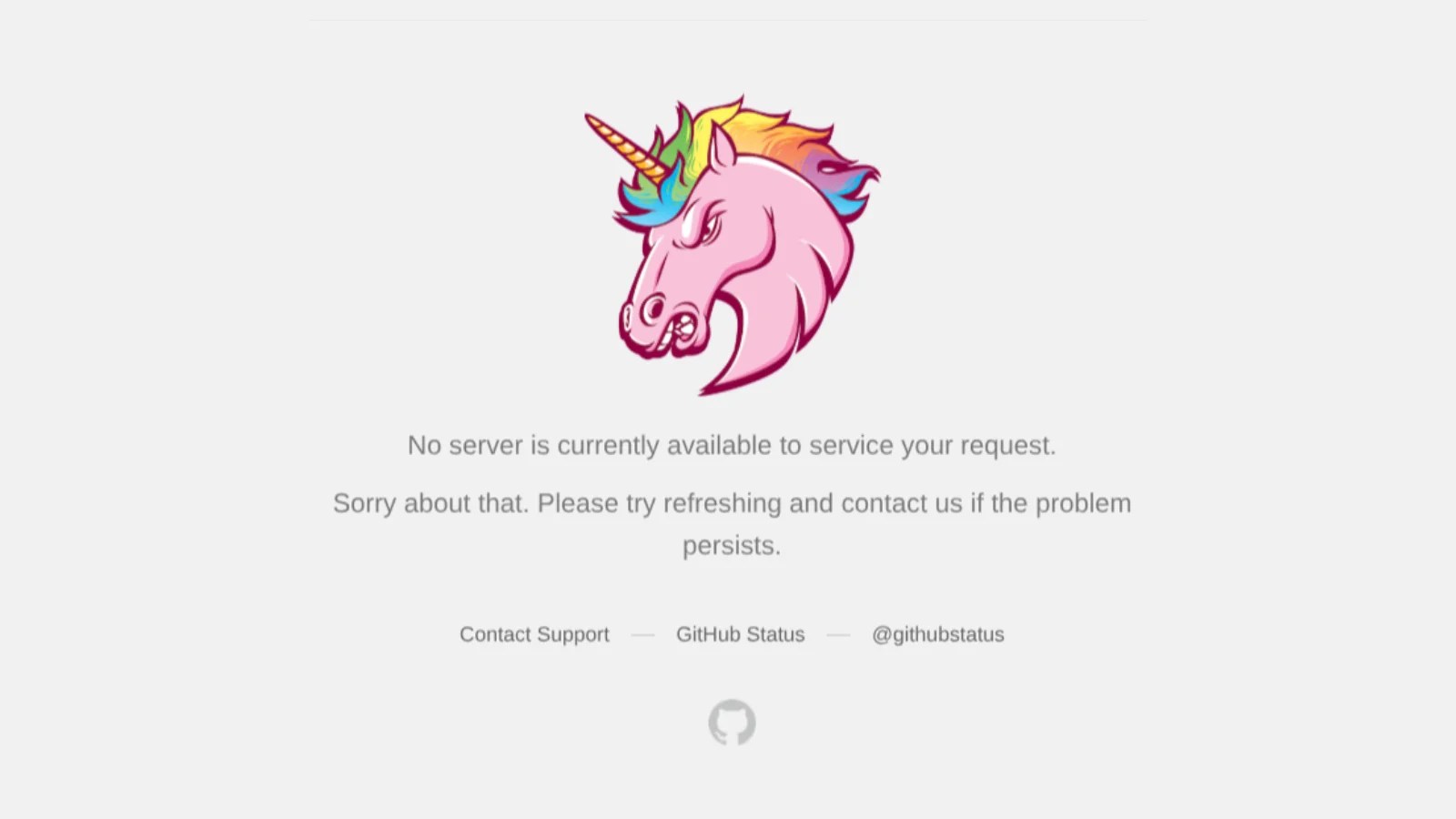
GitHub, a leading platform for code hosting, is currently encountering a significant service disruption that began around 13:40 UTC on August 17, 2026. Developers and enterprises worldwide are affected as key services such as Pull Requests, Issues, and Actions are experiencing degraded performance.
Error Rates and Affected Functions
According to GitHub’s status updates, error rates remain at approximately 20% for general web and API services, despite ongoing mitigation efforts by engineers. Key functions like archive and raw repository content downloads are facing a 50% failure rate, severely impacting their reliability during this incident.
Enterprise users are particularly hit hard as authentication processes, including SAML and OIDC, along with SCIM provisioning and Team Sync, are disrupted. This situation complicates single sign-on access for organizations using GitHub Enterprise Cloud.
Timeline of the Outage
The disruption’s impact has been gradual rather than immediate. Initially reported at 13:40 UTC, the issues expanded to API Requests, Actions, and Webhooks within the hour. Further complications included Issues and Pull Requests, with Copilot becoming affected around 14:31 UTC. According to Downdetector, user reports began surging around 13:30 UTC, aligning with GitHub’s timeline.
Microsoft, GitHub’s parent company, has confirmed the platform is facing global issues. As per the latest updates, the engineering teams are actively working on mitigation, though the root cause remains undisclosed. The ongoing pattern suggests potential infrastructure saturation or cascading failures, without confirmation from GitHub.
Impact on Developers and Current Measures
For developers, the disruption means potential failures in merging pull requests, stalling CI/CD pipelines, and unreliable issue tracking. Teams relying on webhooks for automation may experience delays or missed events until normalcy is restored.
Currently, there are no available user-side solutions, and affected teams are advised to postpone non-critical operations and monitor GitHub’s status page for real-time updates.
This incident comes a few months after GitHub introduced a more transparent status-reporting system in April 2026, adding detailed visibility to the service’s current state compared to previous outages.
GitHub has not provided an estimated resolution time, but a detailed incident analysis is expected once services normalize, adhering to their monthly availability reporting practices.