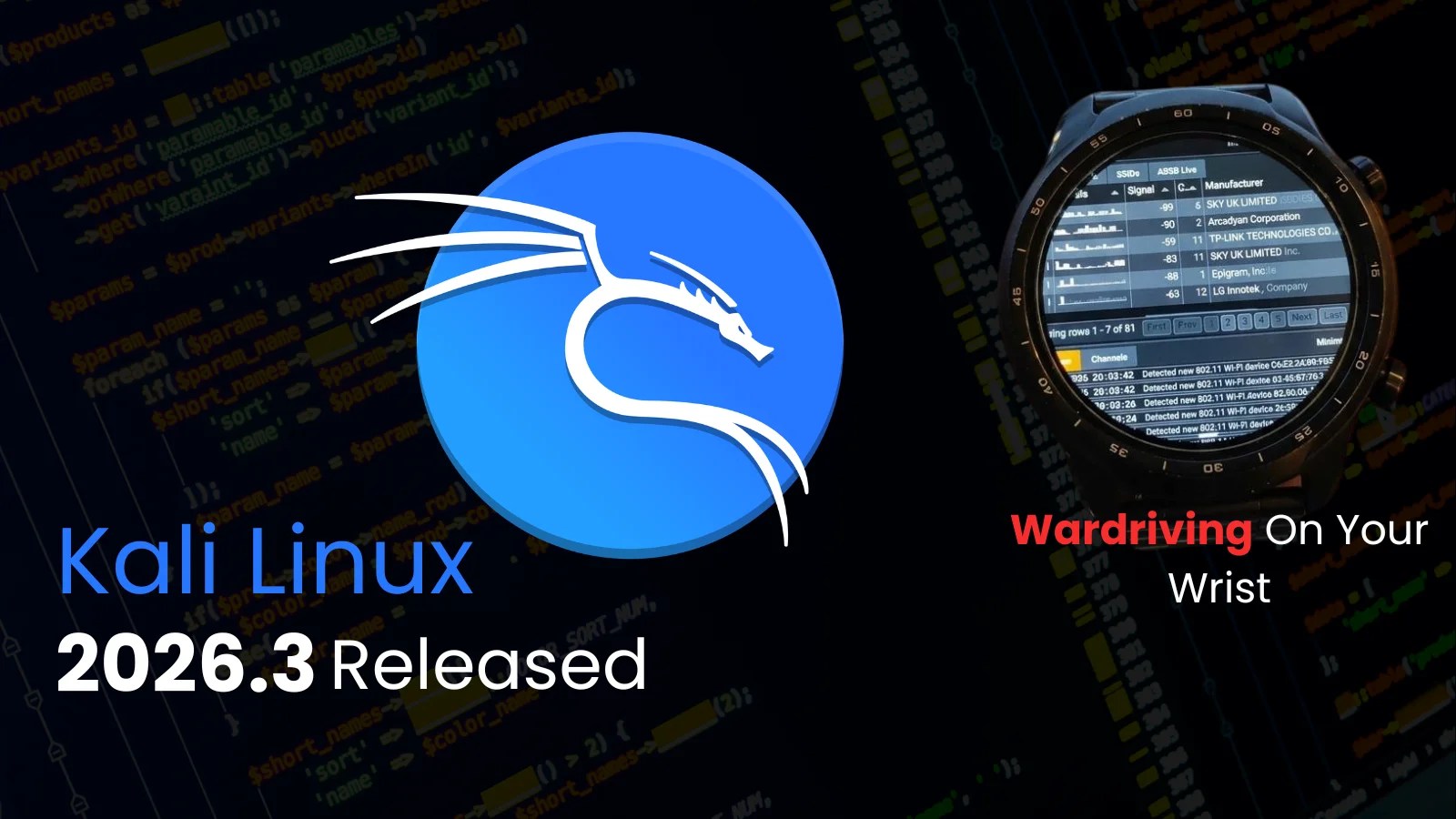
Kali Linux has rolled out its third update for 2026, introducing six new penetration testing tools and upgrading to Linux kernel version 7.1.5. The latest version, released on October 26, includes 126 package updates, enhanced image-building scripts, and significant changes to Kali NetHunter. This update follows the previous release in June, which added nine tools and improved performance in various areas.
New Penetration Testing Tools
The release features six innovative tools accessible through Kali’s network repositories. Dalfox offers an automated solution for cross-site scripting detection, while Katana assists researchers in web application mapping. Qsreplace facilitates URL testing by replacing query string values, and Rustscan provides rapid port scanning capabilities. SDRangel serves as a visual interface for software-defined radio devices, and Snaffler-ng scans SMB shares for sensitive data.
Kernel and Package Enhancements
Kali Linux 2026.3 shifts from kernel 6.19 to 7.1.5, enhancing hardware support and security features. The updated kernel provides a solid foundation for additional drivers and system improvements. Updated build scripts now offer a more streamlined structure and command-line options, simplifying the image-building process for users on Debian-based systems.
KDE Plasma and NetHunter Developments
The KDE desktop environment receives an upgrade to Plasma 6.7, introducing per-screen virtual desktops and improved performance for Intel graphics. In parallel, Kali NetHunter, the mobile security platform, sees compatibility enhancements and new features, including wardriving support for TicWatch Pro 3 and experimental WearHunter functionality for remote control.
With these updates, users can expect a more robust and flexible security testing environment. The improvements in Kali Linux 2026.3 emphasize the distribution’s commitment to providing advanced tools for cybersecurity professionals.
Looking Ahead
As the Kali team continues to refine its offerings, future releases will focus on automated builds and deeper customization options. Developers and users are encouraged to integrate the latest updates into their workflows to ensure optimal performance and security. Regular updates and testing remain crucial for maintaining a secure and efficient environment.