In the rapidly evolving cybersecurity landscape of 2026, the importance of file integrity monitoring (FIM) tools remains paramount. These tools are crucial in detecting unauthorized file changes, a critical requirement under PCI DSS 4.x. With numerous options available, selecting the right FIM tool involves evaluating its ability to reduce noise while maintaining detection accuracy.
Top Performers in File Integrity Monitoring
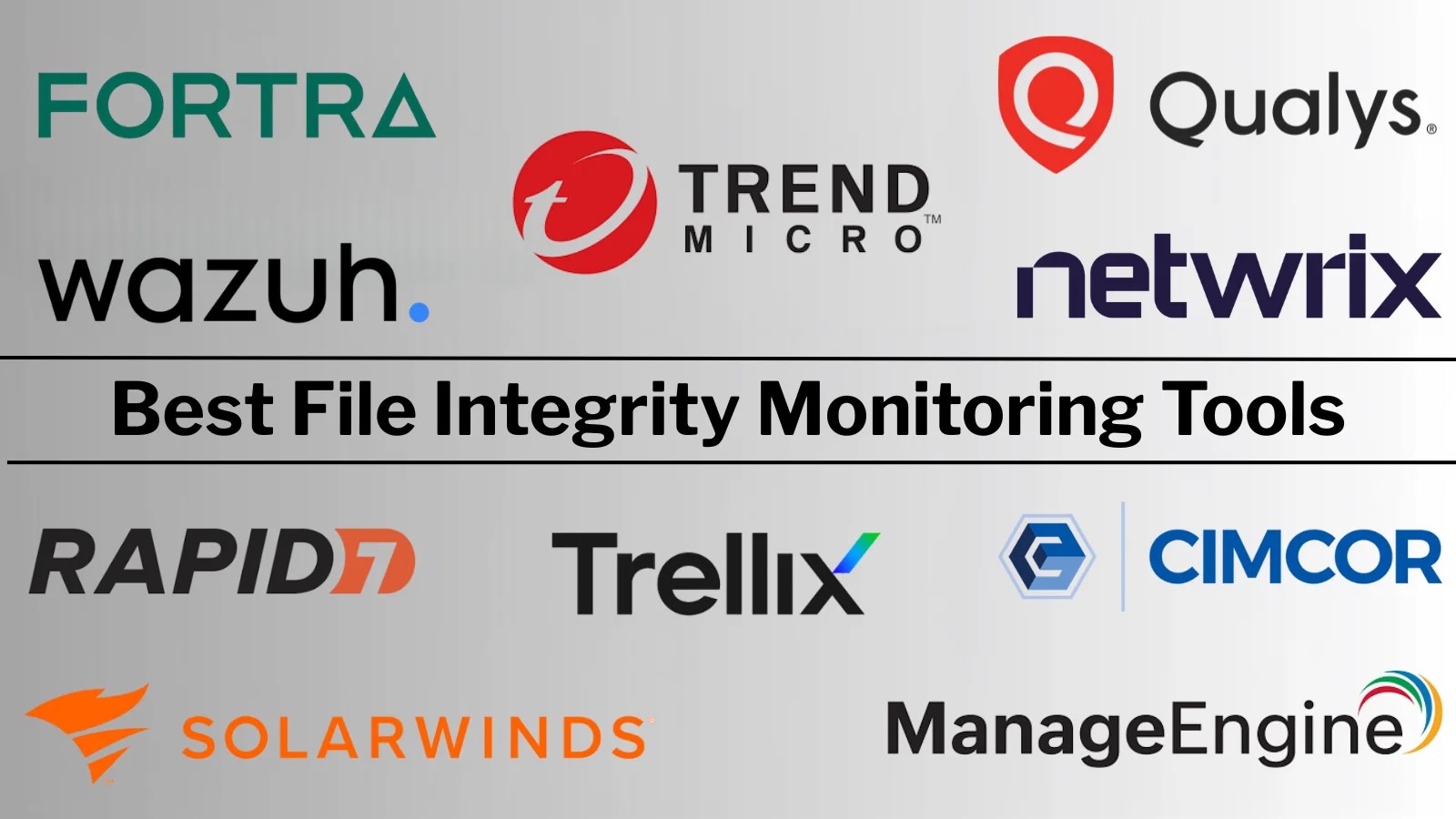
Fortra’s Tripwire leads the FIM market with its unmatched change-reconciliation capabilities, making it the go-to choice for organizations seeking reliable detection and reporting. It excels at differentiating between authorized and unauthorized changes, ensuring that only significant alerts reach human operators.
Qualys stands out for its scalable cloud-agent model, seamlessly integrating FIM into existing security infrastructures without additional deployments. Its real-time capture capabilities, combined with its cloud platform, make it a practical choice for enterprises already using Qualys agents.
Netwrix provides exceptional context for changes, answering critical questions about who made modifications and what other alterations took place. This capability turns simple change alerts into comprehensive incident narratives, aiding in swift and informed responses.
Specialized Features of Leading Tools
Cimcor’s CimTrak offers real-time detection with the unique ability to automatically revert unauthorized changes, setting it apart from other tools. Its integration with a trusted-file registry helps suppress noise from known-good changes, making it a valuable asset for proactive security teams.
Wazuh, an open-source solution, provides audit-grade FIM capabilities, making it an attractive option for budget-conscious organizations. Though it requires significant engineering effort for tuning and scaling, its zero-cost licensing and robust feature set appeal to those with the necessary resources.
Choosing the Right FIM Tool
When selecting a FIM tool, organizations should prioritize reconciliation capabilities that can automatically suppress alerts related to authorized changes. This feature is crucial in managing the overwhelming number of alerts that can result from broad monitoring scopes.
Integrating FIM tools with SIEM solutions enhances their effectiveness by providing context and correlation with other security events. Ensuring compliance with PCI DSS 4.x requirements is essential, and mapping these requirements to specific tool reports can facilitate smoother audits.
Overall, the best FIM tools of 2026 are those that offer robust detection capabilities, seamless integration with existing security ecosystems, and the ability to manage noise effectively. As the cybersecurity landscape continues to evolve, these tools will play a vital role in maintaining the integrity of critical systems.
Investing in the right FIM tool involves careful evaluation of organizational needs and a focus on long-term security strategies that align with regulatory requirements and operational goals.