In 2026, server security has evolved beyond traditional methods to accommodate diverse environments and advanced threats. Selecting the right solution depends on understanding the unique characteristics of your server setup, whether they are physical, virtual, or cloud-based.
Understanding Your Server Environment
Servers today operate on varied platforms including Linux and Windows, each with its specific protection requirements. Linux systems, often used in server environments, require robust behavioral detection over traditional antivirus methods. Windows servers, similarly, need tailored solutions that address their unique vulnerabilities.
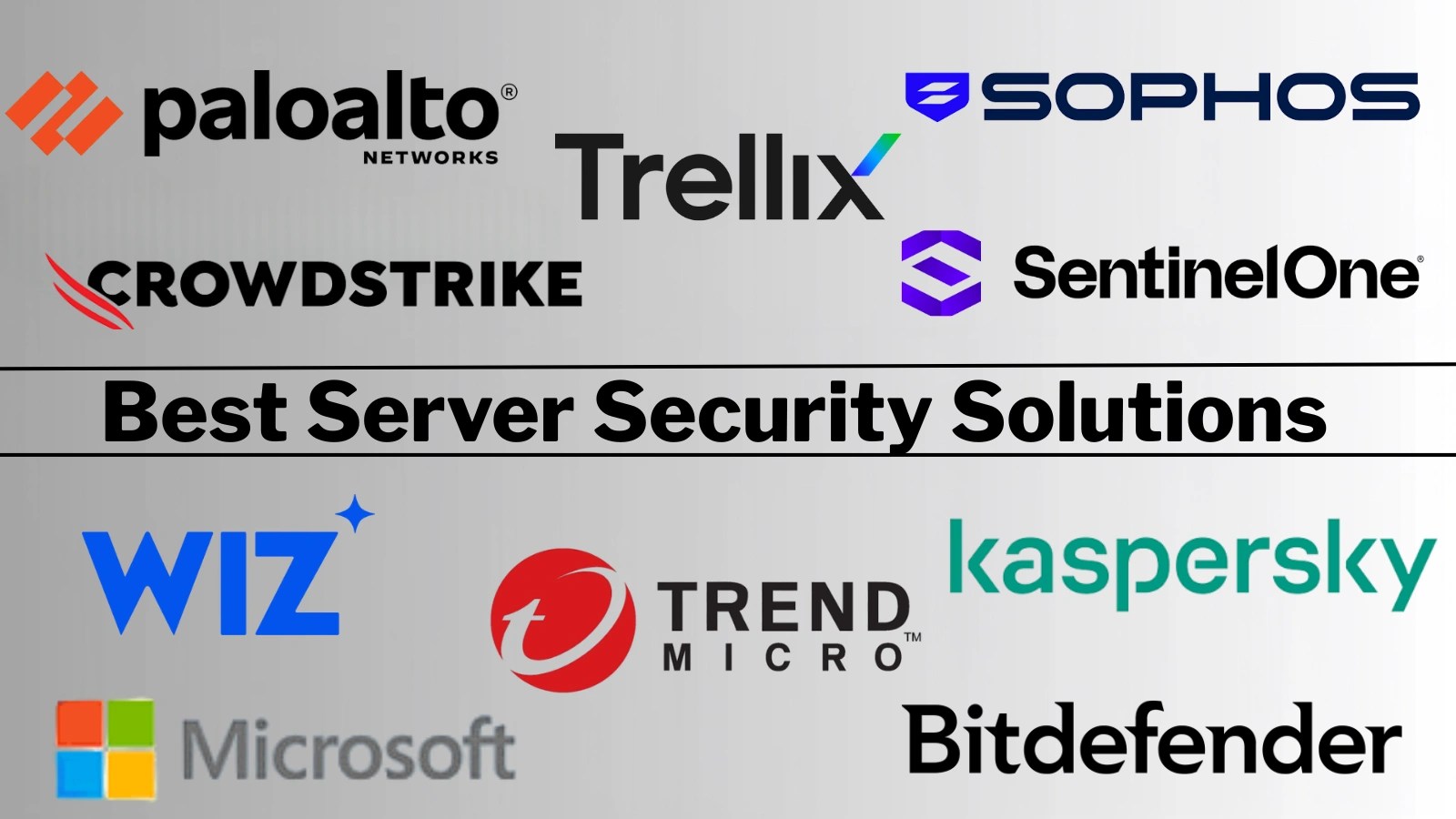
Trend Micro continues to lead in providing hybrid solutions that support legacy systems through virtual patching. This feature is critical as it offers protection for unpatched systems, a common challenge in legacy environments. Additionally, their solutions span from data centers to cloud infrastructures, integrating seamlessly with existing security architectures.
Top Solutions for Different Needs
For organizations prioritizing detection capabilities, CrowdStrike offers unparalleled server and Linux detection, leveraging proactive threat hunting and cloud-hour licensing. SentinelOne stands out with its autonomous response capabilities, ideal for teams managing extensive server environments with limited resources. Meanwhile, Microsoft Defender for Servers provides cost-effective solutions for Azure-centric operations, integrating well with hybrid cloud setups.
When network control integration is a priority, Palo Alto Networks offers robust solutions through its Cortex agents, enhancing security when combined with their network enforcement technologies. This is particularly beneficial for organizations already utilizing Palo Alto’s comprehensive security platforms.
Addressing Common Security Gaps
Two prevalent gaps in server security are hypervisor and legacy system protection. Hypervisors, such as ESXi or Hyper-V, require deliberate protection measures since traditional guest agents do not cover these systems. Implementing strict patch management, isolating management interfaces, and applying multi-factor authentication can mitigate risks associated with hypervisor vulnerabilities.
Legacy systems often remain unprotected due to outdated operating systems. Solutions like Trend Micro’s virtual patching can shield these systems at the network level, providing essential protection while organizations plan for system upgrades or replacements.
Implementing Effective Server Security
Deploying server security solutions requires careful testing and planning to avoid disruptions. Organizations should assess the performance overhead of security agents on their specific workloads, rather than relying solely on vendor datasheets. Additionally, implementing integrity monitoring selectively on critical systems like domain controllers can enhance security without overwhelming resources.
In summary, selecting the right server security solution in 2026 involves matching the solution to your specific server environment, whether it involves hybrid, cloud, or legacy systems. By addressing the unique needs of each setup and proactively managing security gaps, organizations can better protect their critical infrastructure against evolving cyber threats.