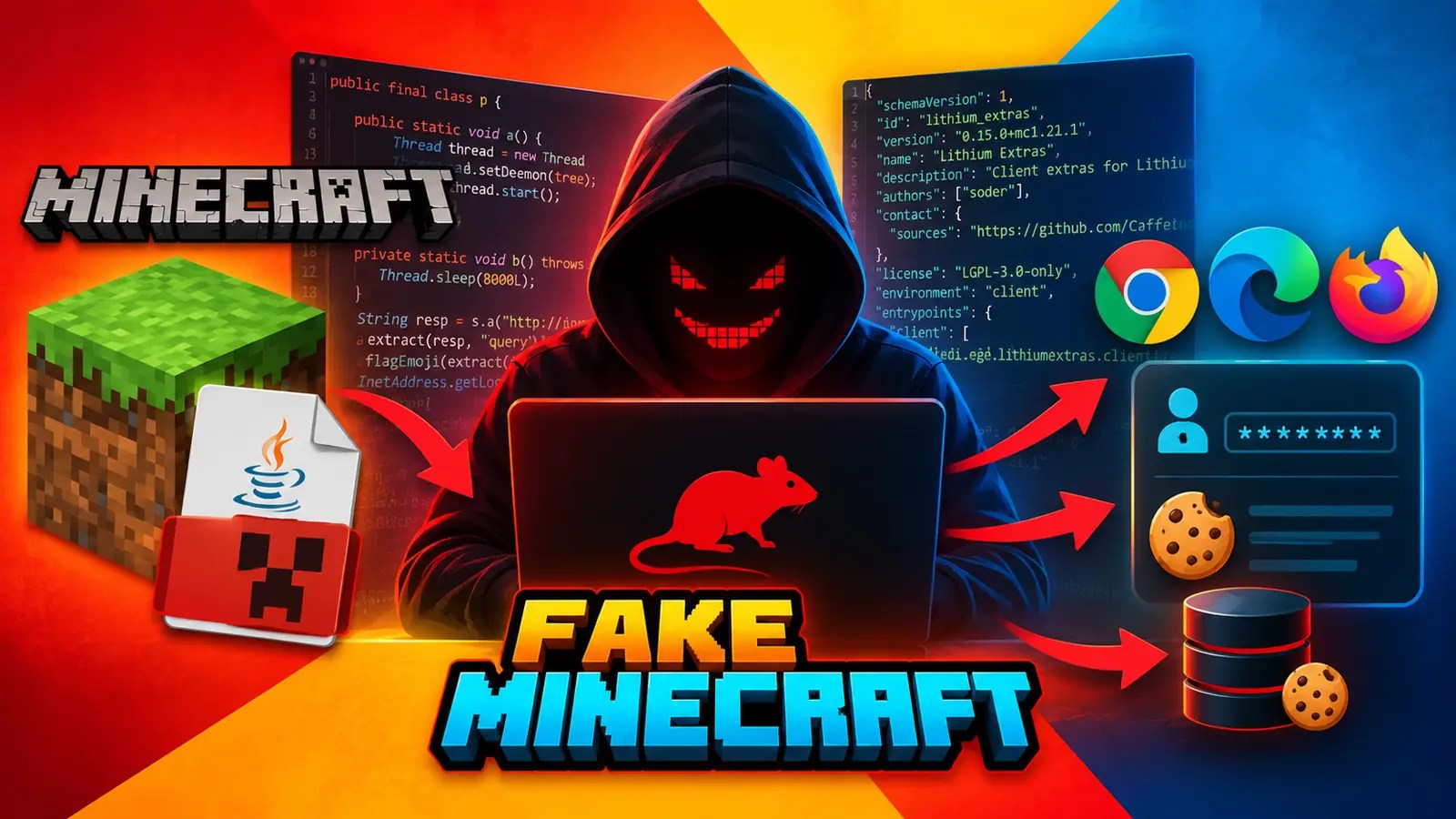
A fake Minecraft optimization mod has been found to install Myth Stealer, a form of malware designed to capture browser credentials and cookies. This mod appears legitimate as its features function as described, leaving users unaware of the underlying threat.
Exploiting Gamers’ Trust
The campaign targets players seeking performance boosts through unofficial mods. Once the mod is in place, it initiates a sequence of malware installations, ultimately providing remote access to the attacker, enabling them to gather data and control the infected Windows machine.
Security analyst devmihaylov identified this threat while analyzing samples from a buyer of the commodity stealer. According to a report shared with Cyber Security News, these files initially evaded detection by VirusTotal, highlighting the ability of low-profile threats to bypass reputation-based security checks.
Disguised Malware Threat
This counterfeit mod poses as a companion to a legitimate optimization project, featuring 12 modules that adjust game performance. However, a concealed thirteenth module collects system information and silently initiates the next malware stage.
The mod utilizes a large executable that functions with its own Java environment, allowing it to operate even without Java installed on the system. It requests administrative rights through a seemingly normal Windows prompt, which, if granted, enhances the malware’s control and persistence on the device.
The final malware component is heavily obfuscated, employing encrypted code and reserved Windows-style names to hinder analysis. This complexity, combined with the mod’s apparent legitimacy, makes visual inspections ineffective for detecting threats.
Impact on User Data and System Control
Myth Stealer specifically targets data from Chromium-based browsers and Firefox, including usernames, passwords, browsing history, and session cookies. Stolen cookies pose significant risks as they can be used to hijack authenticated web sessions.
Beyond credential theft, the malware can gather system details, chat logs, clipboard data, and files. It can also execute commands, download or delete files, and even disrupt the user’s system by altering display settings or interfering with input devices.
To avoid such threats, players are advised to download mods exclusively from trusted sources, verify developer authenticity, and avoid downloads from unverified links or file-sharing platforms. If suspicious activity is detected, users should remove the mod, conduct a comprehensive security scan, and secure their accounts by changing passwords and signing out of active sessions.
Preventive Measures and Future Outlook
As the gaming community remains a prime target for malware distributors, maintaining vigilance against such threats is crucial. Users should regularly update their security tools and stay informed about emerging threats.
In summary, the proliferation of fake mods like this highlights the importance of cybersecurity awareness among gamers. By adhering to recommended safety practices, players can protect themselves from potential data breaches and system compromises.