Skip to content
  • Home
  • Cyber Map
  • About Us – Contact
  • Disclaimer
  • Terms and Rules
  • Privacy Policy
Cyber Web Spider Blog – News

Cyber Web Spider Blog – News

Globe Threat Map provides a real-time, interactive 3D visualization of global cyber threats. Monitor DDoS attacks, malware, and hacking attempts with geo-located arcs on a rotating globe. Stay informed with live logs and archive stats.

  • Home
  • Cyber Map
  • Cyber Security News
  • Security Week News
  • The Hacker News
  • How To?
  • Toggle search form
Phishing Scam Targets T-Mobile Users with Fake Rewards

Phishing Scam Targets T-Mobile Users with Fake Rewards

Posted on September 18, 2026 By CWS

A new phishing scheme is exploiting T-Mobile’s name to trick users into visiting deceptive websites under the guise of redeeming expiring rewards. This scam, which started in early May 2026, has persisted despite a decline in its initial intensity.

How the Phishing Scam Operates

The fraudulent messages falsely inform recipients that their loyalty points are about to expire, pushing them to click on malicious links. These links are designed to capture sensitive information such as login credentials, personal data, and payment details.

Malwarebytes researchers have noted that the attackers frequently modify minor details in the messages, enabling them to bypass simple filtering techniques. More than 1,000 similar message templates have been identified, showcasing the campaign’s adaptability.

Techniques Used by Scammers

Scammers in this campaign utilize fabricated point balances and pressing deadlines to create a sense of urgency. The messages often feature rotating links and false claims, leading users to believe they must act quickly to avoid losing rewards.

These phishing efforts demonstrate why SMS is still favored by cybercriminals; messages can reach users when they are less vigilant, and the prospect of losing benefits can prompt hasty actions.

Protecting Yourself from Phishing Attacks

To safeguard against such scams, users are advised not to click on links from unsolicited texts, regardless of how genuine they appear. Instead, they should verify any claims by accessing the official T-Mobile app or website directly.

It is crucial to avoid providing any personal or financial information on suspicious websites, and users should double-check the web address before entering sensitive data. If information has already been shared, immediate steps should be taken to secure accounts and notify financial institutions.

Organizations can assist by educating customers about these scams and ensuring legitimate communications are easily recognizable. Users should also report suspicious messages to their mobile service providers to help combat this ongoing threat.
Cyber Security News Tags:Cybersecurity, data protection, fake rewards, internet security, Phishing, scam alert, scam prevention, Smishing, SMS fraud, T-Mobile

Post navigation

Previous Post: Global Crackdown Halts NightmareStresser DDoS Service
Next Post: WeaselBiscuit Malware Detected in 13 npm Packages

Related Posts

Windows Ancillary for WinSock 0-Day Vulnerability Let Attackers Escalate Privileges Windows Ancillary for WinSock 0-Day Vulnerability Let Attackers Escalate Privileges Cyber Security News
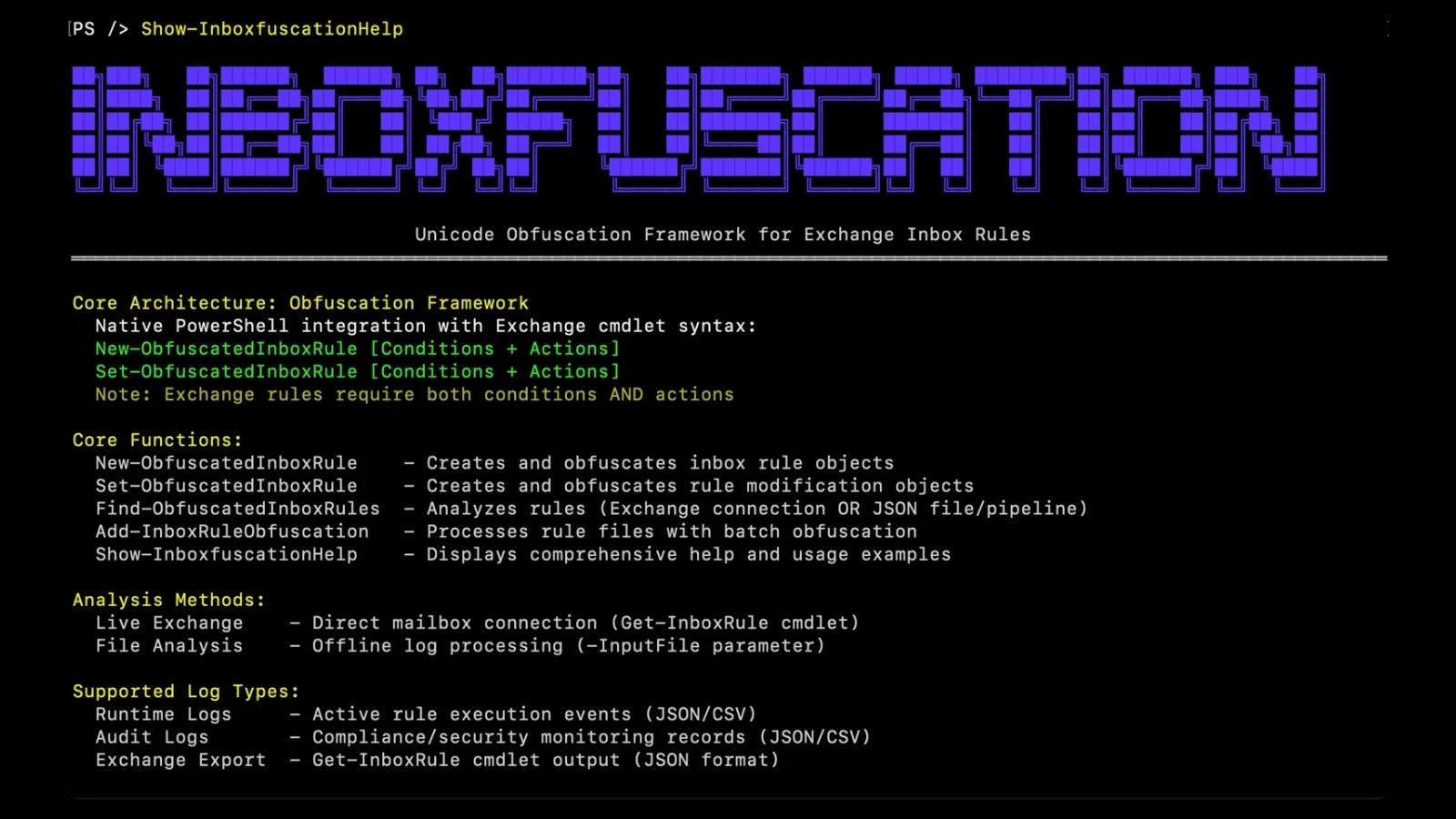
New Inboxfuscation Tool That Bypasses Microsoft Exchange Inbox Rules and Evade Detection New Inboxfuscation Tool That Bypasses Microsoft Exchange Inbox Rules and Evade Detection Cyber Security News
Exposure of Stripe Merchant Keys Poses Significant Risk Exposure of Stripe Merchant Keys Poses Significant Risk Cyber Security News
Mustang Panda With SnakeDisk USB Worm and Toneshell Backdoor Seeking to Penetrate Air-Gap Systems Mustang Panda With SnakeDisk USB Worm and Toneshell Backdoor Seeking to Penetrate Air-Gap Systems Cyber Security News
Hackers Abuse Microsoft 365 Exchange Direct Send to Bypass Content Filters and Harvest Sensitive Data Hackers Abuse Microsoft 365 Exchange Direct Send to Bypass Content Filters and Harvest Sensitive Data Cyber Security News
Remote Code Execution Vulnerability in CUPS Exposed Remote Code Execution Vulnerability in CUPS Exposed Cyber Security News

Categories

  • Cyber Security News
  • How To?
  • Security Week News
  • The Hacker News

Recent Posts

  • CyberStrikeAI Automates Windows Domain Control for Hackers
  • Synology NAS Under Siege: C3RB3R Ransomware Attacks Exploit Flaws
  • Mercado Bitcoin Halts Operations After Cyber Breach
  • Exploit Released for Windows WinSock Security Flaw
  • Critical Cybersecurity Events: CVEs, Botnets, and Phishing

Pages

  • About Us – Contact
  • Disclaimer
  • Privacy Policy
  • Terms and Rules

Archives

  • November 2026
  • October 2026
  • September 2026
  • August 2026
  • July 2026
  • June 2026
  • May 2026
  • April 2026
  • March 2026
  • February 2026
  • January 2026
  • December 2025
  • November 2025
  • October 2025
  • September 2025
  • August 2025
  • July 2025
  • June 2025
  • May 2025

Recent Posts

  • CyberStrikeAI Automates Windows Domain Control for Hackers
  • Synology NAS Under Siege: C3RB3R Ransomware Attacks Exploit Flaws
  • Mercado Bitcoin Halts Operations After Cyber Breach
  • Exploit Released for Windows WinSock Security Flaw
  • Critical Cybersecurity Events: CVEs, Botnets, and Phishing

Pages

  • About Us – Contact
  • Disclaimer
  • Privacy Policy
  • Terms and Rules

Categories

  • Cyber Security News
  • How To?
  • Security Week News
  • The Hacker News

Copyright © 2026 Cyber Web Spider Blog – News.

Powered by PressBook Masonry Dark