Skip to content
  • Home
  • Cyber Map
  • About Us – Contact
  • Disclaimer
  • Terms and Rules
  • Privacy Policy
Cyber Web Spider Blog – News

Cyber Web Spider Blog – News

Globe Threat Map provides a real-time, interactive 3D visualization of global cyber threats. Monitor DDoS attacks, malware, and hacking attempts with geo-located arcs on a rotating globe. Stay informed with live logs and archive stats.

  • Home
  • Cyber Map
  • Cyber Security News
  • Security Week News
  • The Hacker News
  • How To?
  • Toggle search form
Critical Security Alerts for PHP: Immediate Updates Advised

Critical Security Alerts for PHP: Immediate Updates Advised

Posted on November 19, 2026 By CWS

PHP Security Update Overview

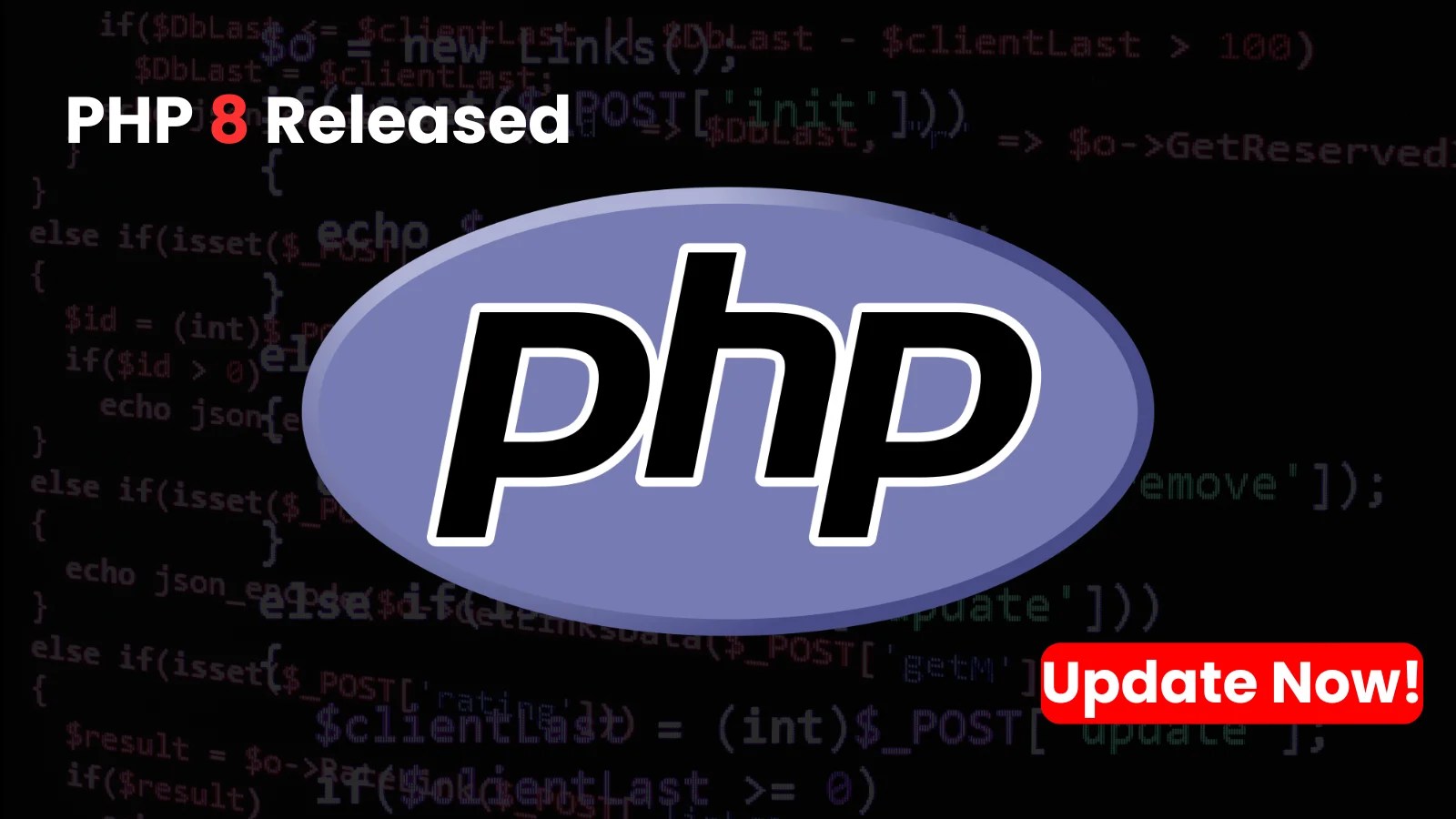
The PHP security team has issued a crucial warning concerning vulnerabilities impacting all supported PHP branches as of their November 19, 2026 security update. Among these, the most severe vulnerabilities have been classified as critical, prompting an urgent call for action.

Webmasters and hosting service providers are strongly advised to implement these updates without delay. Although these critical vulnerabilities require specific configurations or rare setups, potentially leaving some installations unaffected, the risk remains significant.

Details on the Latest PHP Releases

The recent security updates include PHP versions 8.5.13, 8.4.28, 8.3.37, and 8.2.36. These updates are designed to patch existing branches, allowing administrators to apply fixes without transitioning to a new branch. The updates were scheduled to be released between 14:00 and 14:30 UTC, maintaining PHP’s standard four-week release cycle.

Coinciding with the planned release of PHP 8.6.0, this update primarily focuses on addressing security vulnerabilities, enabling teams to secure their current installations without the need for immediate upgrades to the newest version.

Focus on Specific Vulnerabilities

Among the vulnerabilities addressed is CVE-2026-115560, a remote code execution flaw linked to session upload progress. This feature permits real-time tracking of file uploads, which, under certain conditions, could be exploited by attackers to execute code remotely on the server.

Administrators with potentially affected setups are advised to disable the upload progress feature temporarily, using the configuration session.upload_progress.enabled=0. This recommendation specifically targets the upload progress flaw and does not apply universally to all issues identified in the November update.

Guidance for Administrators

The PHP security team has not specified every individual flaw or its severity level in their preliminary notice. Administrators must consult the PHP 8 changelog to determine applicable fixes for their specific branch and avoid assuming that all vulnerabilities affect their systems identically.

Updating should begin with systems exposed to the internet, followed by background processes, container images, and deployment pipelines using older PHP versions. Ensure updates are applied through standard package sources or coordinate with hosting providers for patched builds. After updating, PHP workers should be restarted, and the live version validated, as checking via php -v only confirms the command-line version.

These updates succeed the emergency PHP2Shell patches from October, which addressed separate vulnerabilities allowing unauthorized code execution. The current CISA alert pertains solely to the October issues, emphasizing that an October update does not cover November’s fixes.

Future Outlook and Recommendations

Users of PHP 8.2 face an additional deadline as this branch will reach its end of life on December 31, 2026. Immediate application of the November patch is advised, followed by testing for migration to a supported branch before the cessation of security updates for PHP 8.2.

Staying informed and proactive in addressing these updates is crucial for maintaining robust cybersecurity measures and safeguarding web applications against potential threats.
Cyber Security News Tags:CVE-2026-115560, Cybersecurity, IT security, PHP, PHP 8, PHP versions, remote code execution, security update, server management, software maintenance, software patch, system update, technology news, Vulnerabilities, web hosting

Post navigation

Previous Post: StepSecurity Secures $20M to Enhance Software Supply Chain
Next Post: PHP Updates Address Critical Security Vulnerabilities

Related Posts

Self-Propagating GlassWorm Weaponizing VS Code Extensions to Attack macOS Users Self-Propagating GlassWorm Weaponizing VS Code Extensions to Attack macOS Users Cyber Security News
Microsoft Releases Cumulative Update for Windows 10 With July Patch Tuesday 2025 Microsoft Releases Cumulative Update for Windows 10 With July Patch Tuesday 2025 Cyber Security News
JetBrains Resolves Critical IntelliJ and TeamCity Flaws JetBrains Resolves Critical IntelliJ and TeamCity Flaws Cyber Security News
Hackers Started Exploiting CitrixBleed 2 Vulnerability Before Public PoC Disclosure Hackers Started Exploiting CitrixBleed 2 Vulnerability Before Public PoC Disclosure Cyber Security News
OWASP Unveils Subtractive Security Top 10 for Cyber Defense OWASP Unveils Subtractive Security Top 10 for Cyber Defense Cyber Security News
Leading Deception Technology Solutions in 2026 Leading Deception Technology Solutions in 2026 Cyber Security News

Categories

  • Cyber Security News
  • How To?
  • Security Week News
  • The Hacker News

Recent Posts

  • New phpAfterShell Vulnerability Enables Remote Code Execution
  • New AI Threats and Cybersecurity Challenges Uncovered
  • Criminal IP’s New AI Tool Enhances Cybersecurity Exposure Management
  • VMware vCenter Zero-Day Exploited by Espionage Group
  • JPMorgan Chase Reports Third-Party Data Breach Incident

Pages

  • About Us – Contact
  • Disclaimer
  • Privacy Policy
  • Terms and Rules

Archives

  • November 2026
  • October 2026
  • September 2026
  • August 2026
  • July 2026
  • June 2026
  • May 2026
  • April 2026
  • March 2026
  • February 2026
  • January 2026
  • December 2025
  • November 2025
  • October 2025
  • September 2025
  • August 2025
  • July 2025
  • June 2025
  • May 2025

Recent Posts

  • New phpAfterShell Vulnerability Enables Remote Code Execution
  • New AI Threats and Cybersecurity Challenges Uncovered
  • Criminal IP’s New AI Tool Enhances Cybersecurity Exposure Management
  • VMware vCenter Zero-Day Exploited by Espionage Group
  • JPMorgan Chase Reports Third-Party Data Breach Incident

Pages

  • About Us – Contact
  • Disclaimer
  • Privacy Policy
  • Terms and Rules

Categories

  • Cyber Security News
  • How To?
  • Security Week News
  • The Hacker News

Copyright © 2026 Cyber Web Spider Blog – News.

Powered by PressBook Masonry Dark