Skip to content
  • Home
  • Cyber Map
  • About Us – Contact
  • Disclaimer
  • Terms and Rules
  • Privacy Policy
Cyber Web Spider Blog – News

Cyber Web Spider Blog – News

Globe Threat Map provides a real-time, interactive 3D visualization of global cyber threats. Monitor DDoS attacks, malware, and hacking attempts with geo-located arcs on a rotating globe. Stay informed with live logs and archive stats.

  • Home
  • Cyber Map
  • Cyber Security News
  • Security Week News
  • The Hacker News
  • How To?
  • Toggle search form
StealC Malware Targets Windows via Fake CAPTCHA

StealC Malware Targets Windows via Fake CAPTCHA

Posted on February 13, 2026 By CWS

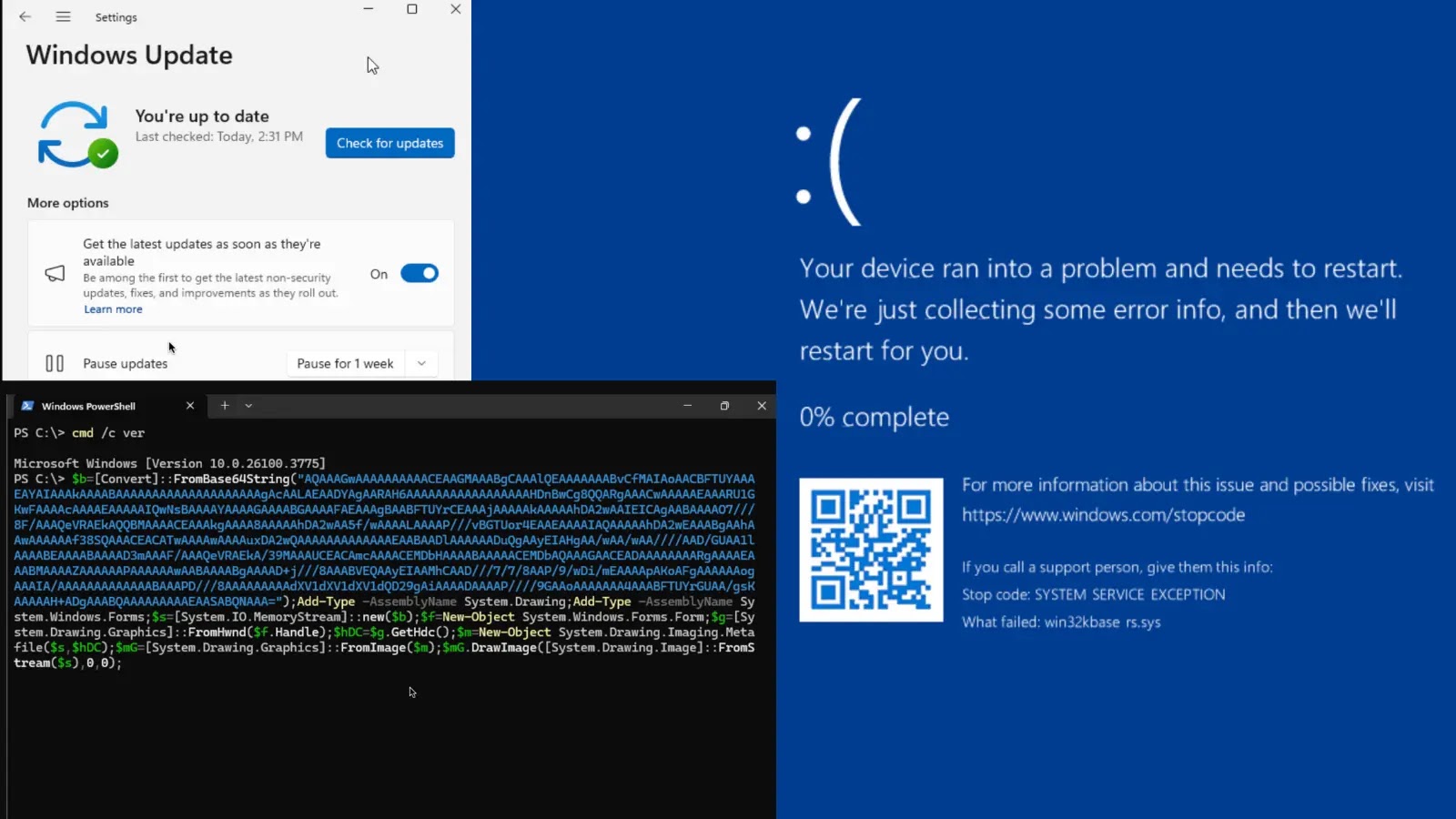
A recent wave of cyberattacks is exploiting Windows systems through deceptive CAPTCHA verification pages to deploy the StealC malware. This sophisticated social engineering scheme targets unsuspecting users, tricking them into executing harmful PowerShell commands under the guise of a routine security check.

Deceptive CAPTCHA Technique

The attack initiates when users visit compromised websites that appear legitimate. These sites employ fake Cloudflare security checks to mislead visitors. The fraudulent CAPTCHA page instructs users to press Windows Key + R, paste a hidden command, and then execute it, unknowingly launching malware.

Cybercriminals use this deceptive method, known as the ClickFix technique, exploiting user trust by mimicking a normal security procedure. As a result, victims inadvertently download malicious scripts that facilitate further attacks.

Complex Attack Chain

Researchers from LevelBlue have mapped out the multi-stage attack process. Initially, the malware downloads shellcode that is position-independent and reflectively loads a 64-bit PE downloader. This downloader then injects the StealC malware into legitimate Windows processes, evading conventional detection methods.

The primary targets include browser credentials from Chrome, Edge, and Firefox, cryptocurrency wallet extensions such as MetaMask and Coinbase Wallet, Steam account files, Outlook email credentials, and various system data.

Advanced Evasion Techniques

The StealC malware employs advanced fileless execution techniques, operating entirely in memory without leaving traces on the disk, thus making detection challenging. After executing the initial PowerShell command, it connects to a remote server to download additional shellcode, generated using the Donut framework.

This shellcode then loads a specially crafted PE downloader, compiled with Microsoft Visual C++, which retrieves the final payload and injects it into a legitimate Windows service process, svchost.exe. The malware communicates with its command-and-control server using encrypted HTTP traffic, employing Base64 and RC4 encoding for added obfuscation.

Organizations are advised to monitor for unusual User-Agent strings, flag encoded PowerShell executions, and detect patterns such as VirtualAlloc and CreateThread that indicate shellcode injection. Additionally, monitoring for abnormal access to browser credential databases can help in early detection.

For ongoing updates and insights on cybersecurity threats, follow us on Google News, LinkedIn, and X. Ensure your systems are protected against these evolving threats by staying informed and vigilant.

Cyber Security News Tags:browser credentials, CAPTCHA, cryptocurrency wallets, Cybersecurity, fileless execution, Malware, PowerShell, social engineering, StealC, Windows security

Post navigation

Previous Post: Google Tackles AI Threats, Disney Faces Privacy Fine
Next Post: OpenClaw 2026.2.12 Update Enhances Security with 40+ Fixes

Related Posts

MicroStealer Malware Targets Telecom and Education Sectors MicroStealer Malware Targets Telecom and Education Sectors Cyber Security News
Hackers Could Take Control of Car Dashboard by Hacking Its Modem Hackers Could Take Control of Car Dashboard by Hacking Its Modem Cyber Security News
Mythos AI Uncovers macOS Flaws in Apple Security Mythos AI Uncovers macOS Flaws in Apple Security Cyber Security News
Meta’s Llama Firewall Bypassed Using Prompt Injection Vulnerability Meta’s Llama Firewall Bypassed Using Prompt Injection Vulnerability Cyber Security News
Microsoft Teams Introduces New Feature to Boost Performance and Startup Speed Microsoft Teams Introduces New Feature to Boost Performance and Startup Speed Cyber Security News
NHS Investigating Oracle EBS Hack Following Cl0p Ransomware Group Claim NHS Investigating Oracle EBS Hack Following Cl0p Ransomware Group Claim Cyber Security News

Categories

  • Cyber Security News
  • How To?
  • Security Week News
  • The Hacker News

Recent Posts

  • Critical Oracle E-Business Suite Flaw Exploited
  • Langflow Vulnerability Enables Monero Mining Attacks
  • BioShocking Attack Exposes AI Browsers to Credential Leaks
  • Supreme Court: Privacy Rights Cover Cellphone Location Data
  • Silent Swap Crypto Clipper Exploits Fake Extension

Pages

  • About Us – Contact
  • Disclaimer
  • Privacy Policy
  • Terms and Rules

Archives

  • June 2026
  • May 2026
  • April 2026
  • March 2026
  • February 2026
  • January 2026
  • December 2025
  • November 2025
  • October 2025
  • September 2025
  • August 2025
  • July 2025
  • June 2025
  • May 2025

Recent Posts

  • Critical Oracle E-Business Suite Flaw Exploited
  • Langflow Vulnerability Enables Monero Mining Attacks
  • BioShocking Attack Exposes AI Browsers to Credential Leaks
  • Supreme Court: Privacy Rights Cover Cellphone Location Data
  • Silent Swap Crypto Clipper Exploits Fake Extension

Pages

  • About Us – Contact
  • Disclaimer
  • Privacy Policy
  • Terms and Rules

Categories

  • Cyber Security News
  • How To?
  • Security Week News
  • The Hacker News

Copyright © 2026 Cyber Web Spider Blog – News.

Powered by PressBook Masonry Dark