Introduction to Vanta Stealer
A new cyber threat, Vanta Stealer, has emerged, posing significant risks to digital security. This malware is engineered to swiftly extract crucial information from compromised systems, impacting a range of stored data including browser content, crypto wallets, and gaming profiles. Operating on Windows devices, it threatens to reveal browser sessions, cryptocurrency credentials, and personal accounts, offering cybercriminals multiple avenues to exploit.
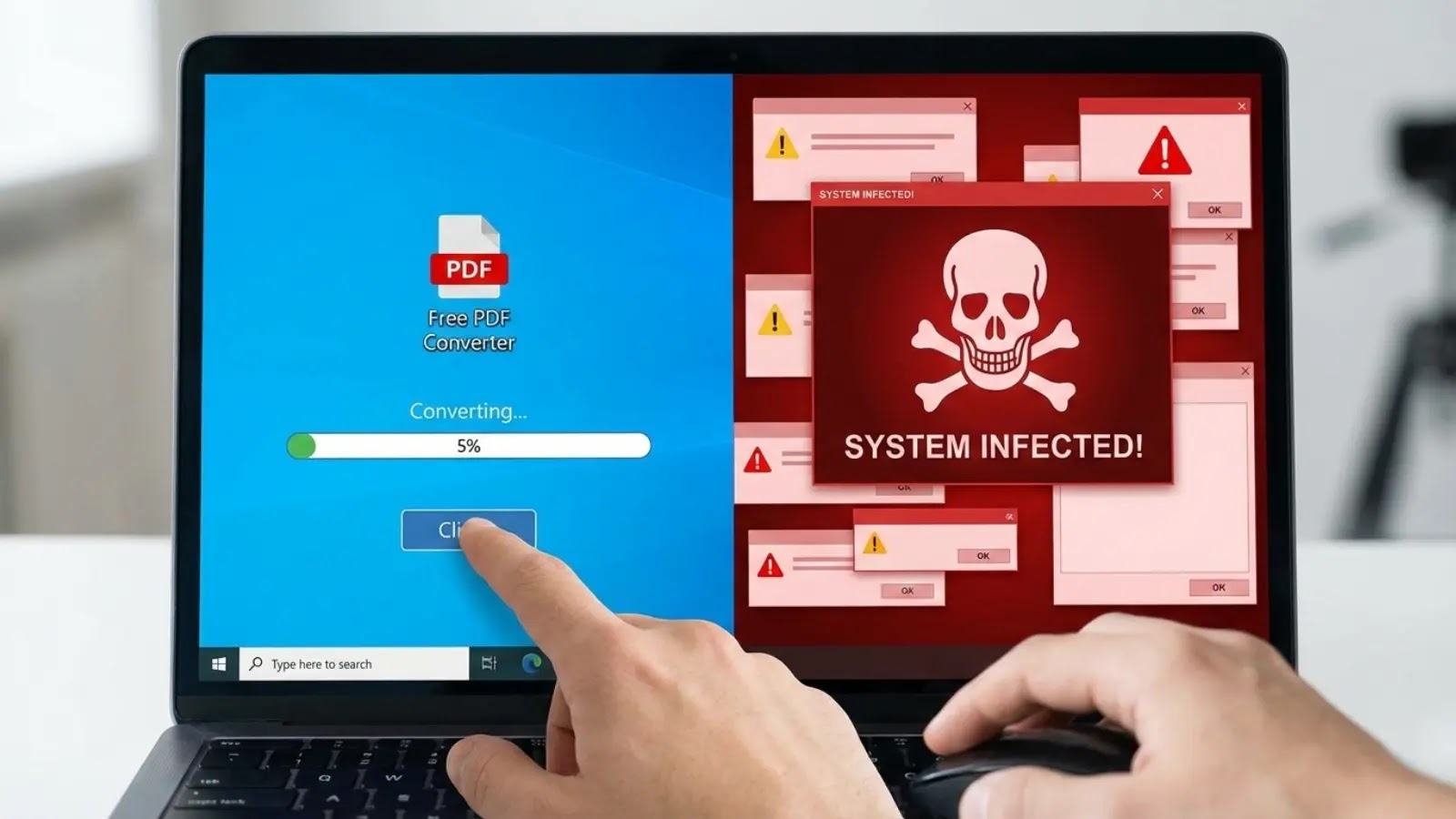
Point Wild analysts have identified this threat as a Python-based malware, encapsulated with PyInstaller and shielded through PyArmor layers, making it challenging to analyze and detect. The hidden nature of its initial delivery mechanism suggests common phishing techniques and fake software installations as potential entry points.
How Vanta Stealer Operates
Vanta Stealer primarily targets browsers built on the Chromium platform, extracting passwords, cookies, and payment details. During its operation, it downloads a specific browser extractor, allowing the malware operators to update theft tools without altering the core program, reminiscent of the Vidar credential theft methods.
The malware’s capabilities extend beyond browsers, as it gathers Discord tokens and validates them via the platform’s API to fetch detailed account information. This process not only enhances the value of stolen data but also aids in identifying high-value targets. By hijacking active sessions through stolen cookies, attackers can bypass password requirements in certain cases.
Expanding Threat: Beyond Browsers
Vanta Stealer’s reach is not confined to browsers. It collects data from popular gaming platforms like Steam, Roblox, and Valorant, as well as communication tools such as Telegram. Critically, it targets files containing cryptocurrency wallet recovery phrases and private keys, posing a severe threat to digital assets.
Further dangers arise as the malware captures screenshots and webcam images, providing context to the harvested information. This data is then organized into a ZIP archive, allowing operators to assess the extent of the breach efficiently.
Defending Against Vanta Stealer
The malware is distributed as a 64-bit Windows executable, obfuscated by PyInstaller and PyArmor to hinder analysis. Once executed, it compiles system data and stolen information into a compressed archive, which is sent to a remote command-and-control server through an HTTP POST request.
To mitigate the risk of exposure, users should change passwords from secure devices, log out of all active sessions, and monitor cryptocurrency accounts for unauthorized activities. Organizations are advised to educate their staff, restrict unapproved software installations, and investigate any unusual data uploads.
Ultimately, vigilance and proactive security measures are crucial in defending against Vanta Stealer and similar threats. Regularly updating software and employing comprehensive security strategies can help mitigate these risks.