Skip to content
  • Home
  • Cyber Map
  • About Us – Contact
  • Disclaimer
  • Terms and Rules
  • Privacy Policy
Cyber Web Spider Blog – News

Cyber Web Spider Blog – News

Globe Threat Map provides a real-time, interactive 3D visualization of global cyber threats. Monitor DDoS attacks, malware, and hacking attempts with geo-located arcs on a rotating globe. Stay informed with live logs and archive stats.

  • Home
  • Cyber Map
  • Cyber Security News
  • Security Week News
  • The Hacker News
  • How To?
  • Toggle search form
Stealthy Vidar Stealer Campaign Evades EDR, Steals Data

Stealthy Vidar Stealer Campaign Evades EDR, Steals Data

Posted on May 13, 2026 By CWS

A sophisticated new campaign using Vidar Stealer has emerged, specifically targeting Windows users. This campaign employs an intricate attack chain that bypasses endpoint detection systems to steal sensitive user credentials.

Vidar Stealer’s Evolution and Impact

Vidar Stealer, an infamous data-stealing malware initially seen in 2018, is known for extracting valuable information such as browser passwords and cryptocurrency wallet data. The latest campaign enhances these capabilities with advanced evasion tactics to consistently slip past Endpoint Detection and Response (EDR) tools.

The stealthy nature of this campaign has caught the attention of cybersecurity experts because of its ability to complete its malicious tasks before victims become aware of the breach.

Advanced Evasion Techniques

Genians Security Center researchers have identified the use of multi-stage delivery methods, obfuscated script execution, and exploitation of legitimate system utilities to avoid detection. The attack begins with spear-phishing emails that match the recipient’s professional context, containing ZIP files that disguise malicious Windows shortcuts as legitimate documents.

When opened, these shortcuts initiate hidden scripts that download additional payloads. The process uses environment variable-based obfuscation to prevent static analysis tools from recognizing malicious activities.

Challenges in Detection and Mitigation

The campaign’s use of environment variable-based substring expansion ensures that security systems evaluate command fragments individually, obscuring the overall malicious intent. Additionally, the attack leverages the Windows tool curl.exe to download further payloads, a tactic known as Living-off-the-Land.

Persistent threats are maintained through scheduled tasks that mimic legitimate Microsoft processes, allowing the malware to run consistently. The final payload acts as a backdoor, enabling remote command execution and data exfiltration.

Implications and Defensive Measures

The primary goal of this campaign is to extract credentials stored in Chromium-based browsers by decrypting key files using Windows CryptUnprotectData API. With multiple command-and-control domains spread globally, infrastructure-based blocking is challenging.

To counter these threats, organizations should bolster behavior-based EDR capabilities, restrict execution of shortcut files in archives, and avoid storing credentials in browsers. Regular auditing of scheduled tasks is also recommended to mitigate exposure.

As the cybersecurity landscape evolves, staying informed and adopting robust security measures is crucial in defending against increasingly sophisticated threats like the Vidar Stealer campaign.

Cyber Security News Tags:credential theft, cyber threats, Cybersecurity, data breach, data security, EDR evasion, endpoint protection, Genians Security, living-off-the-land, Malware, Obfuscation, Phishing, threat detection, Vidar Stealer, Windows malware

Post navigation

Previous Post: Zoom Software Vulnerabilities Pose Security Risks
Next Post: Critical SQL Injection Flaw Patched in SAP S/4HANA

Related Posts

ConnectWise Vulnerabilities Allow Attackers To Inject Malicious Updates ConnectWise Vulnerabilities Allow Attackers To Inject Malicious Updates Cyber Security News
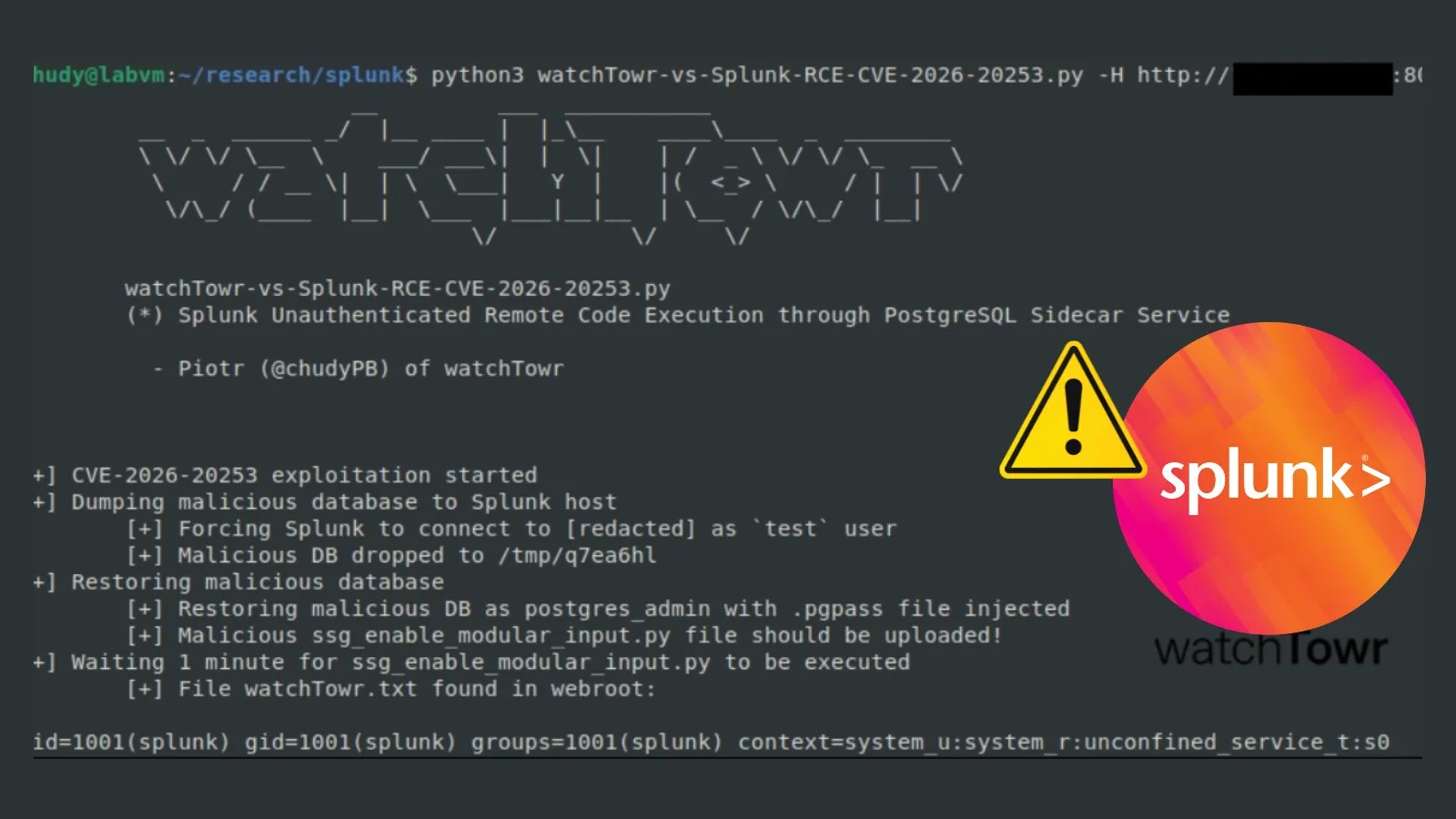
Critical Splunk Vulnerability Enables Remote Code Execution Critical Splunk Vulnerability Enables Remote Code Execution Cyber Security News
First AI-Powered Malware LAMEHUG Attacking Organizations With Compromised Official Email Account First AI-Powered Malware LAMEHUG Attacking Organizations With Compromised Official Email Account Cyber Security News
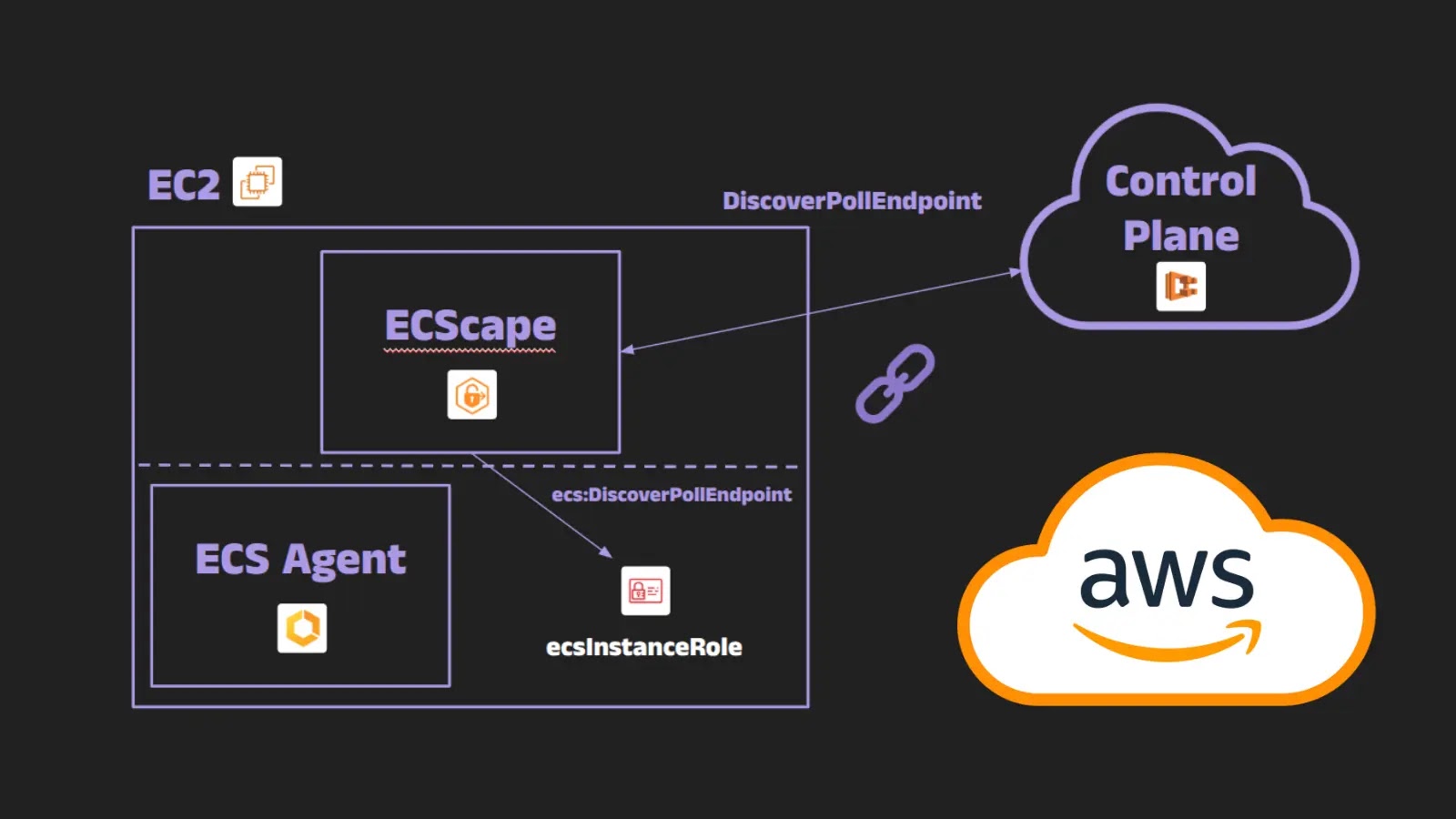
Exploiting ECS Protocol on EC2 to Exfiltrate Cross-Task IAM and Execution Role Credentials Exploiting ECS Protocol on EC2 to Exfiltrate Cross-Task IAM and Execution Role Credentials Cyber Security News
New Windows Notepad and Paint Update Brings More Useful AI Features New Windows Notepad and Paint Update Brings More Useful AI Features Cyber Security News
Critical TeamViewer Vulnerabilities Demand Immediate Update Critical TeamViewer Vulnerabilities Demand Immediate Update Cyber Security News

Categories

  • Cyber Security News
  • How To?
  • Security Week News
  • The Hacker News

Recent Posts

  • AI-Powered NotC2 Framework Exploits AWS Services
  • CISA Highlights SonicOS SSLVPN Security Weakness
  • GhostAction Campaign Targets 500 GitHub Accounts for Credentials
  • Notepad++ 8.9.9 Update Resolves Critical Security Flaws
  • Ethersphere Tools Breached, Malware Targets Wallets

Pages

  • About Us – Contact
  • Disclaimer
  • Privacy Policy
  • Terms and Rules

Archives

  • November 2026
  • October 2026
  • September 2026
  • August 2026
  • July 2026
  • June 2026
  • May 2026
  • April 2026
  • March 2026
  • February 2026
  • January 2026
  • December 2025
  • November 2025
  • October 2025
  • September 2025
  • August 2025
  • July 2025
  • June 2025
  • May 2025

Recent Posts

  • AI-Powered NotC2 Framework Exploits AWS Services
  • CISA Highlights SonicOS SSLVPN Security Weakness
  • GhostAction Campaign Targets 500 GitHub Accounts for Credentials
  • Notepad++ 8.9.9 Update Resolves Critical Security Flaws
  • Ethersphere Tools Breached, Malware Targets Wallets

Pages

  • About Us – Contact
  • Disclaimer
  • Privacy Policy
  • Terms and Rules

Categories

  • Cyber Security News
  • How To?
  • Security Week News
  • The Hacker News

Copyright © 2026 Cyber Web Spider Blog – News.

Powered by PressBook Masonry Dark