In a recent development, a patch released by Drupal to address an installer vulnerability has failed to protect all websites, leading to ongoing exploitation by attackers. This vulnerability, identified as CVE-2026-136716, was disclosed on November 25, following an initial advisory issued on November 18.
Vulnerability Details and Impact
The newly identified issue, CVE-2026-136716, is classified as an access bypass flaw that could permit unauthorized control over websites. This flaw emerged soon after the earlier patch, CVE-2026-132165, was applied. The initial vulnerability was discovered by Anthropic’s OSS Scanner and targeted the Drupal core installer, which facilitates new site setups.
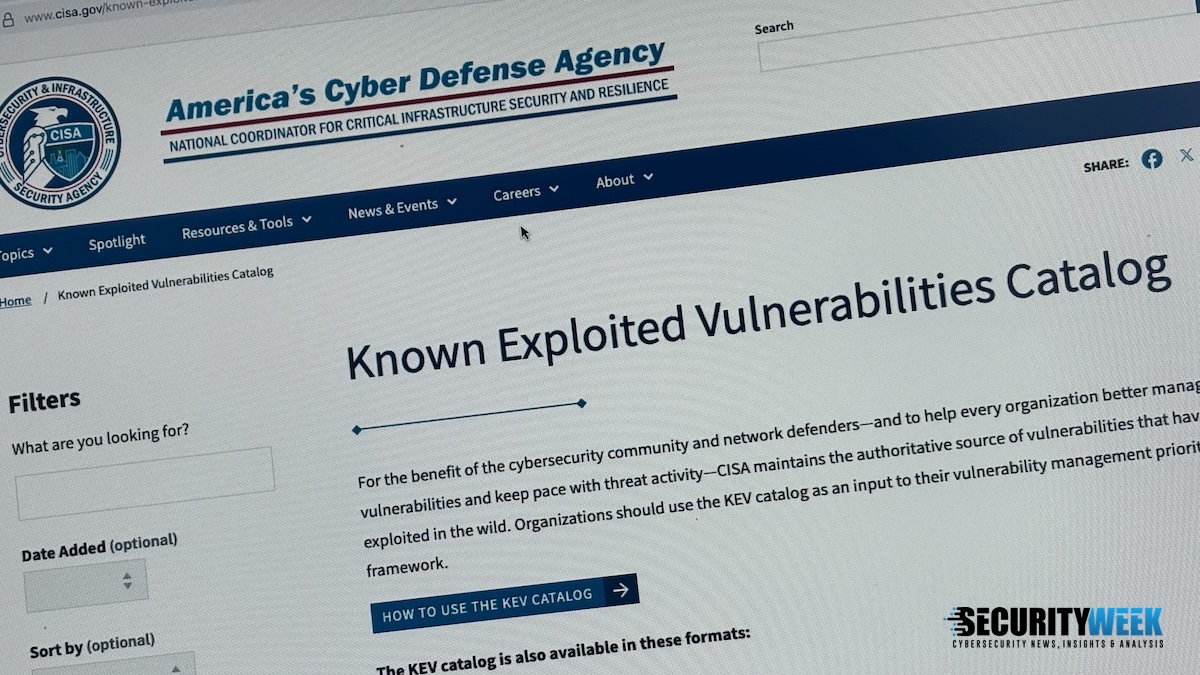
The Cybersecurity and Infrastructure Security Agency (CISA) added this vulnerability to its Known Exploited Vulnerabilities (KEV) catalog on November 24. This inclusion indicates that the flaw poses a significant threat to web security.
Challenges in Identifying Vulnerable Sites
Drupal’s advisory highlights that certain websites remain susceptible to attacks, especially those in incomplete or unusual installation states. The vulnerability may not be easily detectable via the user interface, leaving site administrators unaware of potential exposure.
Moreover, sites that have already been compromised may not display signs of vulnerability, complicating detection efforts. This has prompted Drupal to urge users to scrutinize their logs for any indicators of intrusion.
Patch and Security Recommendations
While websites that secured their installers are not at risk, those that haven’t may still be compromised. Drupal has issued patches in versions 11.4.14, 11.3.23, and 10.6.23. To mitigate the vulnerability effectively, affected sites must execute an update hook following these upgrades.
Although Drupal has not released details regarding the attackers, it remains crucial for users to remain vigilant and proactive in securing their sites against potential threats.
In conclusion, the persistence of this vulnerability underscores the importance of timely updates and comprehensive security measures. As attackers continue to exploit system weaknesses, maintaining robust security protocols is essential to safeguard web assets.