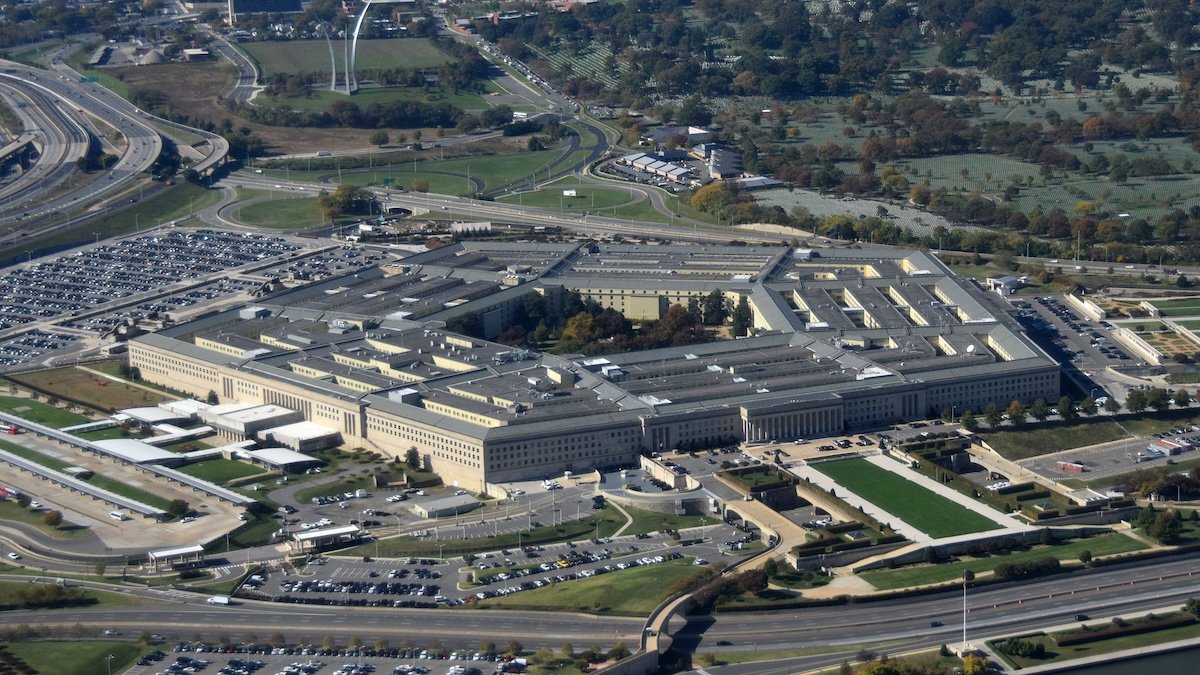
The Pentagon has finalized agreements with seven major technology firms to incorporate their artificial intelligence capabilities into its classified systems. This move, announced on Friday, marks a significant step for the U.S. military as it seeks to enhance its operational efficiency through advanced AI technologies.
Tech Giants Join Forces with the Military
The agreements involve industry leaders Google, Microsoft, Amazon Web Services, Nvidia, OpenAI, Reflection, and SpaceX. These companies are set to offer their AI technologies to support military operations by improving decision-making processes in complex scenarios. According to the Defense Department, these partnerships aim to enhance the capabilities of military personnel in rapidly changing environments.
Interestingly, Anthropic, an AI company previously in conflict with the Trump administration over ethical concerns about AI in warfare, was not included in the list. This omission follows Anthropic’s legal challenge against the federal government’s use of its technology.
AI’s Role in Modern Warfare
The military’s push to integrate AI has been accelerating, driven by the potential to reduce response times in identifying and engaging battlefield targets. AI also promises improvements in logistics, such as weapon maintenance and supply chain management. However, this technological integration has sparked debates over privacy issues and the autonomy of AI systems in military applications.
Concerns have been amplified by examples from conflicts involving Israel, where AI has been used to track targets. Although these tools have been effective, they have also raised alarm due to the increased casualties among civilians. These incidents underscore the urgent need for human oversight in deploying AI in military operations.
Addressing Ethical and Operational Challenges
Helen Toner, from Georgetown University’s Center for Security and Emerging Technology, highlighted the complexities of incorporating AI into military strategy. She emphasized the importance of balancing rapid technological deployment with adequate training and human oversight to prevent over-reliance on AI systems.
The Pentagon’s agreements include provisions for human supervision, especially in scenarios where AI operates autonomously. This approach aligns with previous assurances sought by companies like Anthropic, emphasizing the need for ethical AI usage in defense operations.
The Pentagon’s Chief Technology Officer, Emil Michael, remarked on the necessity of diversifying partners in light of Anthropic’s reluctance to cooperate under previous terms. This diversification is part of a broader strategy to ensure the U.S. remains competitive in AI development, especially in comparison to other global powers like China.
Future Implications and Strategic Outlook
The Pentagon’s AI initiatives are already being implemented, with military personnel utilizing these capabilities to streamline tasks. The goal is to empower warfighters with tools that enhance their strategic advantage while maintaining national security.
As AI continues to evolve, its role in defense will likely expand, necessitating ongoing discussions about its ethical deployment and the potential risks of automation bias. The military’s focus remains on integrating AI responsibly, ensuring it complements human decision-making without replacing it.