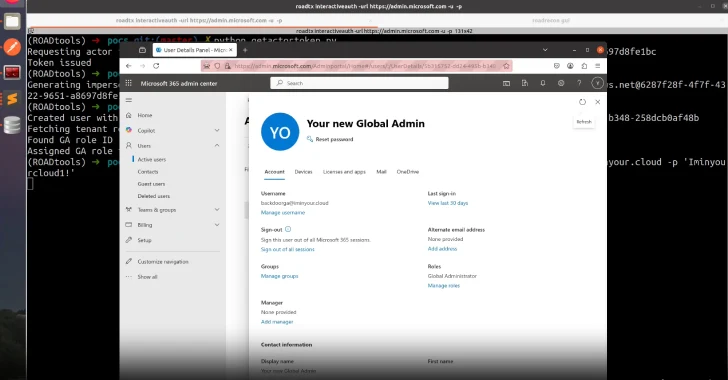
A cybersecurity researcher known by the aliases Chaotic Eclipse and Nightmare-Eclipse has unveiled a proof-of-concept (PoC) for a new zero-day vulnerability dubbed ShieldBreak. This vulnerability affects Microsoft Defender on Windows systems, specifically targeting a patch bypass for CVE-2026-50656, also referred to as RoguePlanet.
Understanding the RoguePlanet Vulnerability
RoguePlanet is characterized as a race condition vulnerability, which, if exploited, allows attackers to gain SYSTEM-level privileges. This capability enables unauthorized execution of code and other malicious activities. Initially revealed in June 2026, Microsoft addressed this vulnerability with a patch nearly a month later, identifying it as a privilege escalation issue within the Microsoft Malware Protection Engine, known as ‘mpengine.dll’.
Despite Microsoft’s efforts, Chaotic Eclipse reported that the updates intended to secure CVE-2026-50656 inadvertently led to data leakage issues in specific scenarios on Windows 11 25H2 and Windows Server 2025. The tech company acknowledged the report and is conducting further investigations.
ShieldBreak: A Full Patch Bypass
The newly disclosed ShieldBreak vulnerability represents a complete patch bypass for the RoguePlanet issue. Chaotic Eclipse claims that Microsoft’s patch was insufficient, leaving the system vulnerable. The researcher confirmed that the PoC has demonstrated a 100% success rate on the latest Windows 11 25H2 and Windows Server 2025 versions, although Windows 10 remains susceptible despite not being tested.
The Hacker News has reached out to Microsoft for comments regarding this situation. Any updates from the company will be added as they become available.
Microsoft’s Ongoing Security Challenges
This revelation coincides with Microsoft’s release of fixes for 421 security vulnerabilities, including 236 specific to Windows. Among these, CVE-2026-62832, another privilege escalation vulnerability disclosed by Chaotic Eclipse, was addressed. This flaw, named LegacyHive, arises from improper link resolution in the Windows User Profile Service, potentially allowing attackers to access and modify user data.
Furthermore, Microsoft patched an actively exploited zero-day in the Windows Ancillary Function Driver for WinSock (CVE-2026-68820) and a tampering vulnerability in the Windows Container Isolation FS Filter Driver (CVE-2026-72971). The U.S. Cybersecurity and Infrastructure Security Agency (CISA) has urged federal agencies to apply these patches by August 25, 2026.
The emergence of ShieldBreak underscores the ongoing challenges faced by tech giants in securing their systems against sophisticated vulnerabilities. As cybersecurity threats evolve, the need for robust and timely solutions becomes increasingly critical.