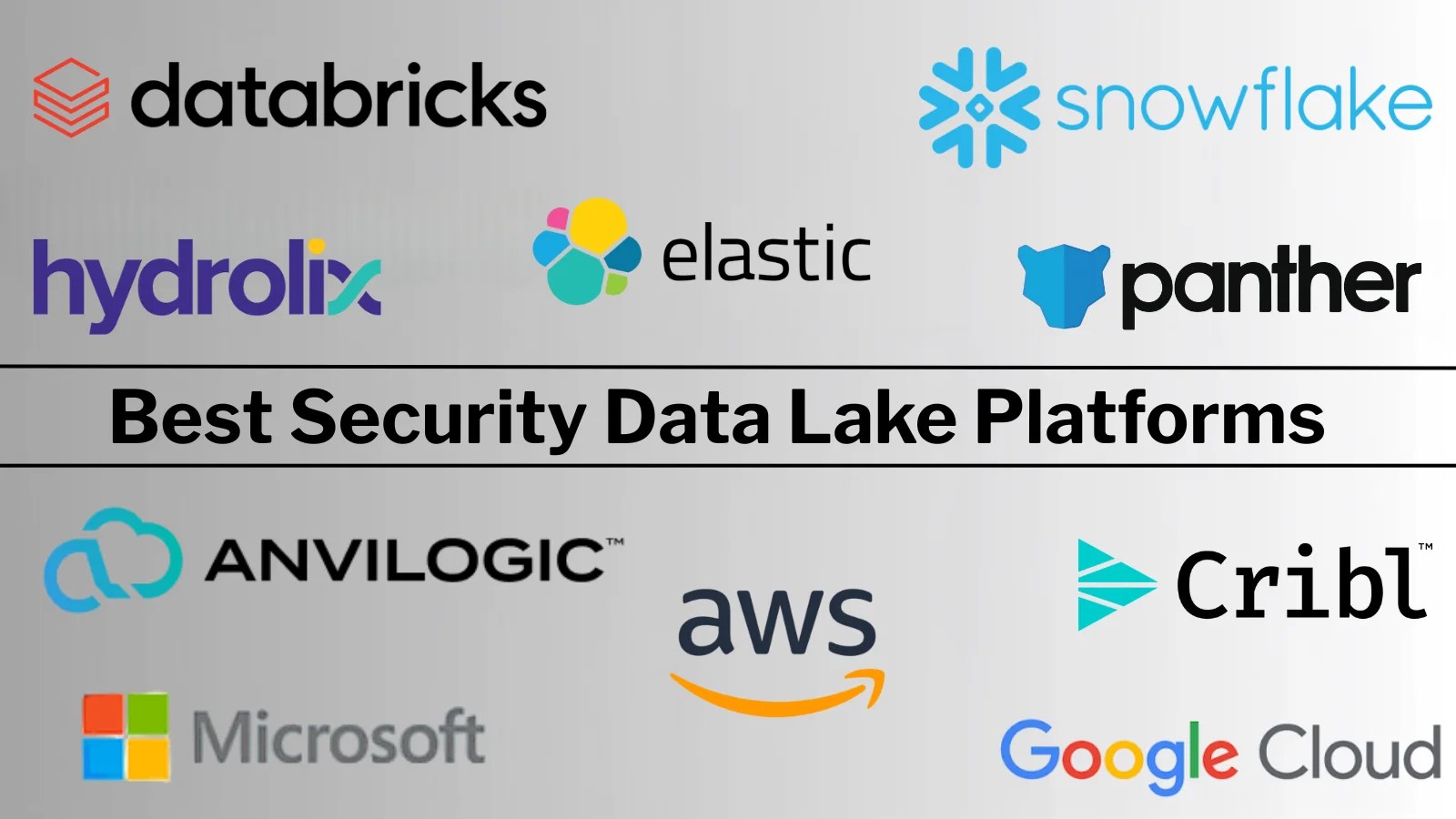
The landscape of security data lakes in 2026 presents a diverse mix of platforms, each offering unique benefits to organizations looking to manage and analyze security data effectively. The shift towards open formats and cost-efficient storage solutions is evident as companies aim to enhance their detection capabilities while minimizing expenses.
Top Platforms Leading the Way
At the forefront is Snowflake, recognized for its robust ecosystem that seamlessly integrates with various detection applications. Its approach of separating compute and storage costs makes it a preferred choice for many security teams. Google SecOps and Microsoft Sentinel also secure top positions, each offering bundled solutions that provide retention and speed advantages.
Google SecOps excels with its comprehensive package that includes rapid search capabilities and integrated Mandiant intelligence. Meanwhile, Microsoft focuses on leveraging its existing estate with a lake tier that promises economical storage without extensive migration efforts.
Evaluating Key Features and Benefits
When assessing these platforms, factors such as storage economics, openness, and detection capabilities are crucial. Snowflake stands out for its SQL accessibility and ecosystem depth, though it requires careful management of compute costs. Google’s solution offers predictability in packaging but may lack the architectural flexibility of open lake models.
Microsoft’s approach, with its use of KQL and Azure Data Explorer, provides a native path for organizations already embedded in its ecosystem. This strategy minimizes disruption while offering a viable economic alternative to traditional SIEM storage models.
Future Outlook and Considerations
As the security data lake market evolves, the emphasis on open formats like Iceberg and OCSF normalization becomes increasingly important. These standards ensure that organizations can avoid vendor lock-in and maintain flexibility in their detection and analysis processes.
Organizations should carefully consider their data-engineering capabilities when choosing a platform. Those without significant resources might benefit from bundled solutions like Google SecOps, while more advanced teams can take advantage of platforms like Databricks for machine learning-driven analytics.
Ultimately, the decision rests on balancing immediate needs with future scalability, ensuring that the chosen platform aligns with long-term security and data management objectives.