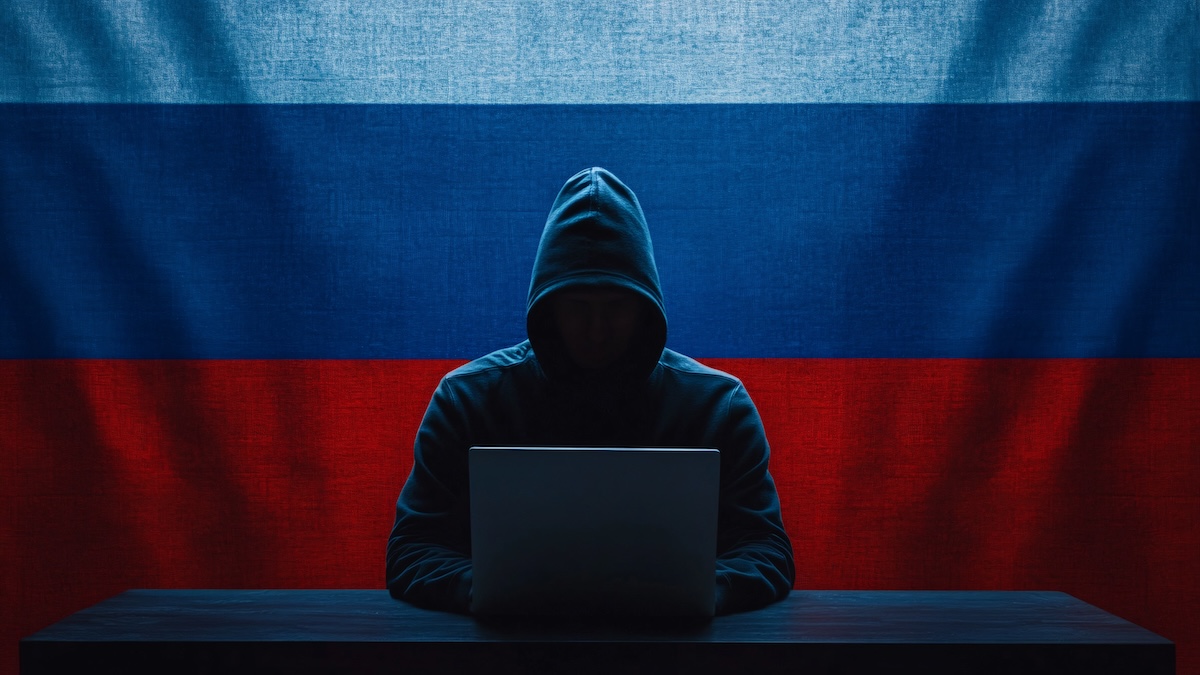
In a recent cybersecurity incident, the Russia-affiliated APT group known as Star Blizzard exploited impersonation tactics to infiltrate a US organization. According to Google’s Threat Intelligence Group (GTIG), the attackers masqueraded as an employee from another compromised US entity to execute this breach.
Background on Star Blizzard
Star Blizzard, also recognized by aliases like Callisto, Cold Relic, and Gossamer Bear, has been operational for over a decade and is linked to Russia’s FSB intelligence service. This group is notorious for executing advanced phishing and malware operations aimed at gathering data beneficial to Russian interests.
Google reports that Star Blizzard has consistently targeted high-profile individuals and organizations, including government entities, defense contractors, and NGOs across Europe and North America, showcasing significant success in these endeavors.
Details of the Recent Breach
In their latest attack, the APT utilized information from a previous breach to deceive a second US organization. By impersonating an employee from the initially compromised entity, the hackers successfully established communication with the new target using secure messaging platforms.
The initial breach occurred in late 2025, involving the misuse of super admin credentials. The attackers exploited a residential proxy network and induced MFA push notification fatigue to gain access to the organization’s systems. They then proceeded to download extensive data, including cloud storage contents and employee information.
Implications and Persistence
The persistence of Star Blizzard in maintaining access to compromised systems is notable. They employed rogue MFA devices, passkeys, and backup codes to remain embedded within the victim’s infrastructure. Additionally, they exfiltrated sensitive emails and cloud documents, which were subsequently used in further phishing activities.
Google’s analysis highlights the group’s ability to blend social engineering with cloud identity manipulations. By converting legitimate communications into attack vectors, they have effectively targeted trusted partners and networks.
In conclusion, this incident underscores the evolving threats posed by state-sponsored cyber actors. As organizations continue to face such sophisticated attacks, enhancing cybersecurity measures and vigilance remains crucial.