Skip to content
  • Home
  • Cyber Map
  • About Us – Contact
  • Disclaimer
  • Terms and Rules
  • Privacy Policy
Cyber Web Spider Blog – News

Cyber Web Spider Blog – News

Globe Threat Map provides a real-time, interactive 3D visualization of global cyber threats. Monitor DDoS attacks, malware, and hacking attempts with geo-located arcs on a rotating globe. Stay informed with live logs and archive stats.

  • Home
  • Cyber Map
  • Cyber Security News
  • Security Week News
  • The Hacker News
  • How To?
  • Toggle search form
Kazuar Malware: A Stealthy Tool for Cyber Espionage

Kazuar Malware: A Stealthy Tool for Cyber Espionage

Posted on May 25, 2026 By CWS

A sophisticated cyber threat has been refined by a Russian state-backed group, enhancing its capabilities into a more elusive espionage tool. Kazuar, historically a backdoor used by the group known as Secret Blizzard, has transitioned into a modular system designed for long-term intelligence gathering.

Secret Blizzard, also known in cybersecurity circles as Turla or Venomous Bear, is a well-known figure in global cyber espionage. This group, linked to Russia’s Federal Security Service (FSB), has targeted organizations across Europe, Central Asia, and Ukraine, particularly focusing on foreign ministries, embassies, and defense sectors.

The Transformation of Kazuar

According to researchers from PolySwarm, the latest iteration of Kazuar represents a significant change in its architecture. Previously a single-component backdoor, it has evolved into a complex, multi-component framework. This new setup allows it to operate more covertly over extended periods.

Kazuar’s delivery methods are diverse. It employs a dropper named Pelmeni, which conceals an encrypted payload within its executable files, ensuring that only the intended target’s system can activate it. Another method utilizes a .NET loader, which operates entirely in memory, leaving minimal forensic evidence.

Modular Design Enhancements

The advanced version of Kazuar employs three key modules: Kernel, Bridge, and Worker. The Kernel module acts as the central authority, overseeing task management, configuration updates, and anti-analysis measures. It supports numerous configuration options, enabling various forms of data collection and stealth operations.

A unique aspect of this system is its leadership election process, where one Kernel module leads communication efforts while others remain silent. This reduces detectable network activity. The Bridge module acts as an intermediary, maintaining communication with remote command centers, utilizing fallback paths like HTTP and WebSockets.

Challenges in Detection and Defense Strategies

Detecting Kazuar is challenging due to its fragmented signature across different system processes. Its use of common communication protocols like Windows messaging and Google Protocol Buffers makes it blend with normal system activities. Security experts advise monitoring for unusual inter-process communications and staging activities to identify potential threats.

Organizations in sensitive sectors like government and defense are encouraged to implement multi-layered detection systems. These systems should focus on behavioral analysis rather than relying solely on signature-based detection, which might miss such sophisticated threats.

Kazuar exemplifies how cyber threats evolve to become more stealthy and resilient. The meticulous design and execution of such malware signal the high level of expertise behind Secret Blizzard’s operations, making them formidable opponents in the cybersecurity landscape.

Cyber Security News Tags:cyber espionage, cyber threat, Cybersecurity, espionage framework, FSB, Kazuar, Malware, modular ecosystem, modular malware, PolySwarm, Secret Blizzard, threat detection, Turla, Venomous Bear

Post navigation

Previous Post: Ghost CMS Flaw Exploited in Major Cyber Attacks
Next Post: Anthropic’s AI Model Identifies 23,000 OSS Vulnerabilities

Related Posts

Hackers Exploit AI Token Jacking for Major API Key Theft Hackers Exploit AI Token Jacking for Major API Key Theft Cyber Security News
New Malware Toolkit Sends Users to Malicious Websites While the URL Stays the Same New Malware Toolkit Sends Users to Malicious Websites While the URL Stays the Same Cyber Security News
Link11 Unveils AI Management Dashboard for Enhanced Traffic Control Link11 Unveils AI Management Dashboard for Enhanced Traffic Control Cyber Security News
Telnyx Package Breach: TeamPCP’s Latest Supply Chain Attack Telnyx Package Breach: TeamPCP’s Latest Supply Chain Attack Cyber Security News
WhatsApp 0-Day Vulnerability Exploited to Hack Mac and iOS Users WhatsApp 0-Day Vulnerability Exploited to Hack Mac and iOS Users Cyber Security News
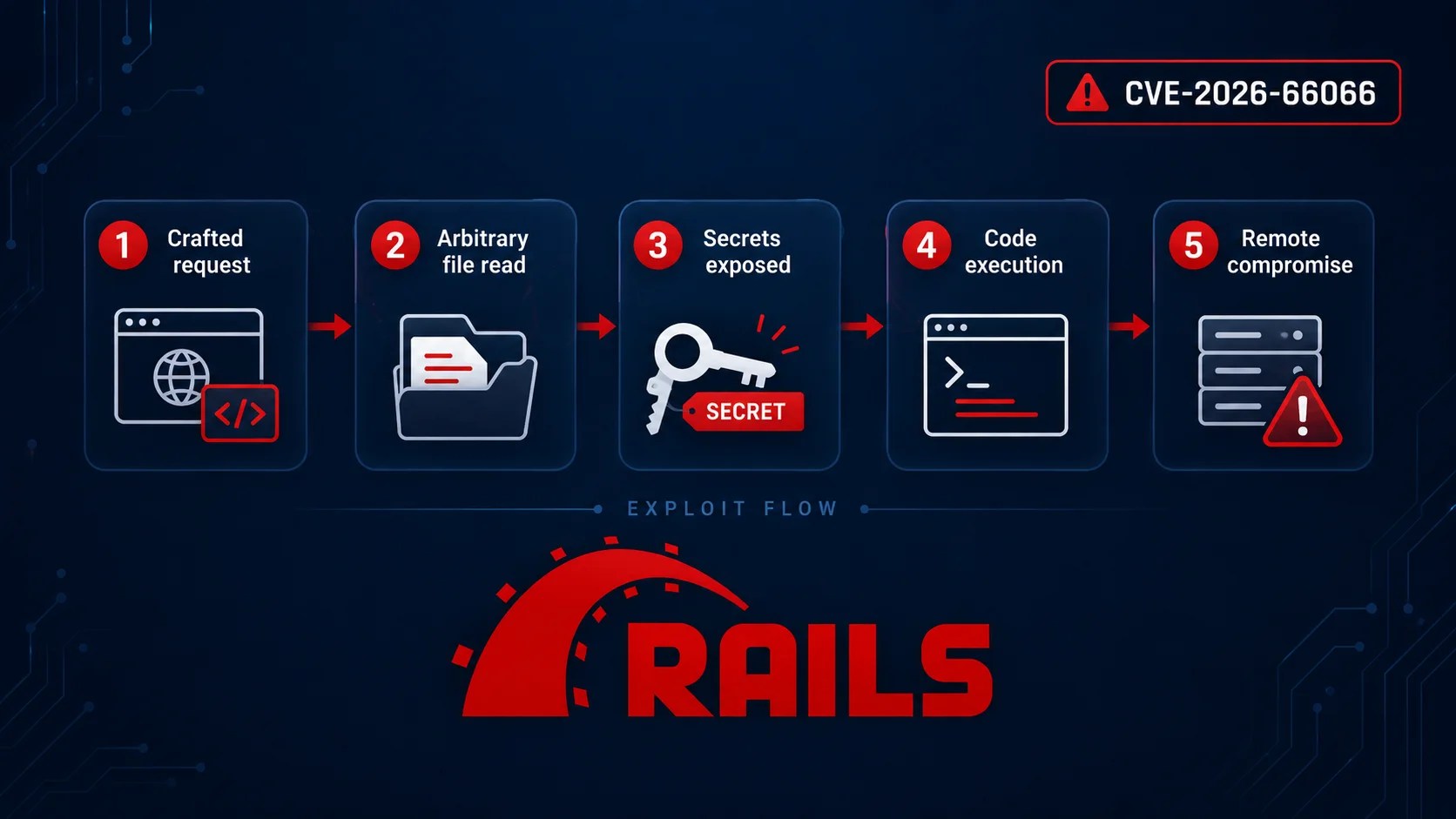
Critical Ruby on Rails Flaw Enables Remote Code Execution Critical Ruby on Rails Flaw Enables Remote Code Execution Cyber Security News

Categories

  • Cyber Security News
  • How To?
  • Security Week News
  • The Hacker News

Recent Posts

  • Cisco Nexus Vulnerabilities Expose Networks to Critical Threats
  • TP-Link Faces Legal Actions Over Security Concerns
  • 16 Harmful Firefox Add-ons Imitate Wallets to Steal Data
  • Hackers Exploit GitHub Poem for AI Malware Control
  • Owner Charged in $11M Fraudulent Ransomware Scheme

Pages

  • About Us – Contact
  • Disclaimer
  • Privacy Policy
  • Terms and Rules

Archives

  • October 2026
  • September 2026
  • August 2026
  • July 2026
  • June 2026
  • May 2026
  • April 2026
  • March 2026
  • February 2026
  • January 2026
  • December 2025
  • November 2025
  • October 2025
  • September 2025
  • August 2025
  • July 2025
  • June 2025
  • May 2025

Recent Posts

  • Cisco Nexus Vulnerabilities Expose Networks to Critical Threats
  • TP-Link Faces Legal Actions Over Security Concerns
  • 16 Harmful Firefox Add-ons Imitate Wallets to Steal Data
  • Hackers Exploit GitHub Poem for AI Malware Control
  • Owner Charged in $11M Fraudulent Ransomware Scheme

Pages

  • About Us – Contact
  • Disclaimer
  • Privacy Policy
  • Terms and Rules

Categories

  • Cyber Security News
  • How To?
  • Security Week News
  • The Hacker News

Copyright © 2026 Cyber Web Spider Blog – News.

Powered by PressBook Masonry Dark