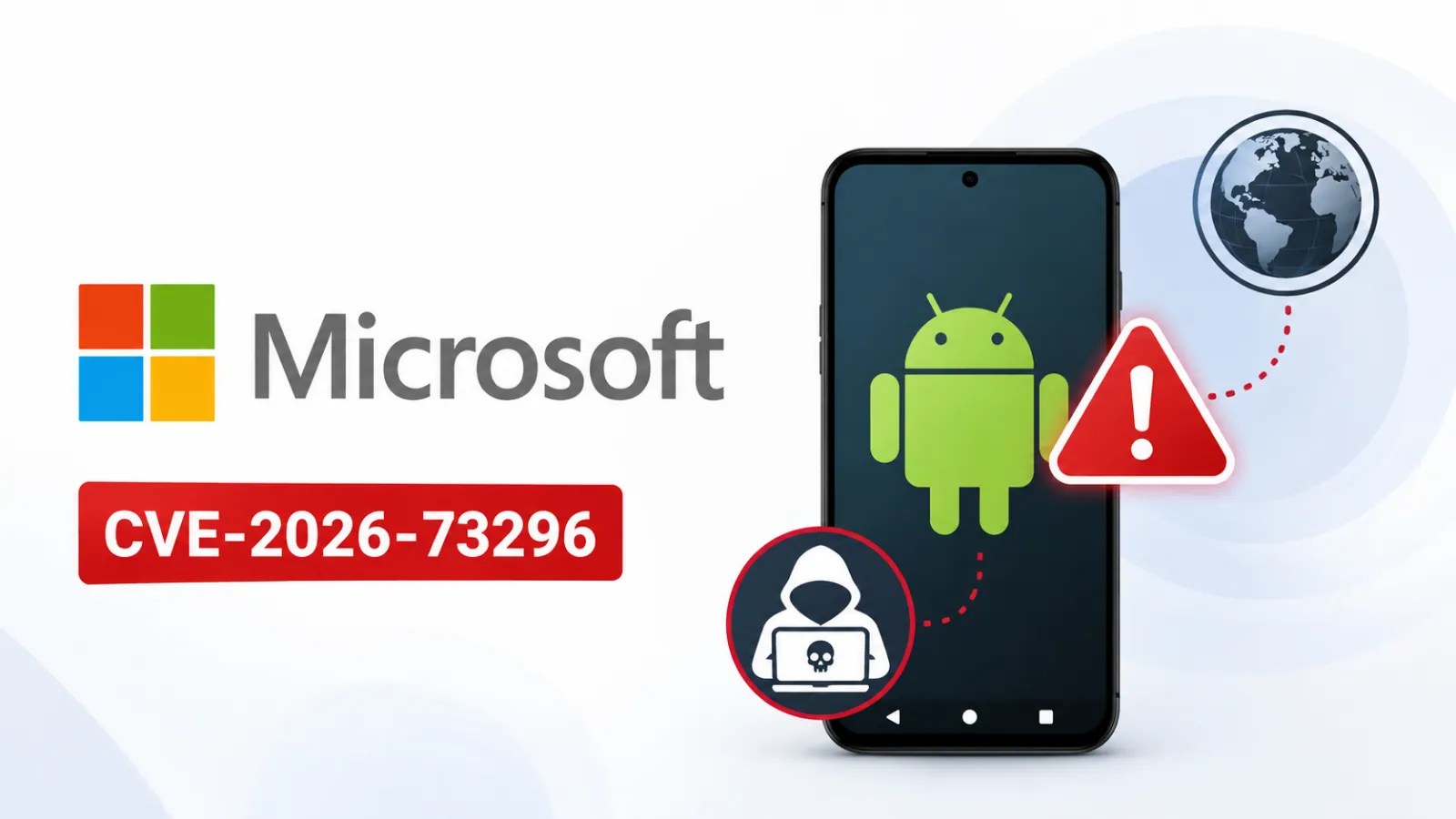
A significant security flaw has been identified in Microsoft’s UFO automation framework that could allow unauthorized remote control over Android devices. This vulnerability, labeled CVE-2026-73296, has been assigned a critical severity score of 9.4, indicating the potential for substantial impact if left unaddressed. The vulnerability affects versions of the UFO framework prior to 3.0.8 when Mobile Model Context Protocol (MCP) services are configured for external access.
Details of the Vulnerability
Microsoft’s UFO framework, which facilitates the automation and data collection from Android devices via the Android Debug Bridge (ADB), was found to have a critical flaw. The issue lies in the mobile_mcp_server.py component, where the lack of authentication checks allows attackers to initiate sessions and perform sensitive operations without valid credentials. This vulnerability is categorized under CWE-306 and CWE-862, highlighting missing critical function authentication and authorization.
The servers, when configured for remote use, expose their services over HTTP on TCP ports 8020 and 8021. If organizations bind these ports to a public address, any external system can potentially exploit the vulnerability, thereby gaining access to sensitive information on connected devices.
Potential Risks and Implications
Exposed servers can reveal a wide range of sensitive data, including screenshots, application details, device metadata, and more. Additionally, the flaw allows for direct control over device interactions, such as tapping, swiping, and launching applications. This level of access can lead to unauthorized actions that disrupt device functionality or compromise sensitive data.
The threat is particularly severe when the Mobile MCP services are intentionally exposed for remote deployment, as this broadens the attack surface. Organizations should be cautious of the network configuration and ensure that these services are not publicly accessible without robust authentication mechanisms.
Mitigation and Future Precautions
To mitigate the risk, Microsoft has released UFO version 3.0.8, which includes enhanced security measures. This version introduces mandatory bearer token authentication for the Mobile MCP servers, utilizing the UFO_MCP_API_KEY environment variable to manage credentials. Organizations are urged to update to this version promptly to secure their systems.
Until all systems are patched, it is recommended to restrict the Mobile MCP services to localhost, block external access to the involved ports, and employ secure channels like TLS for remote operations. Implementing an authenticated reverse proxy or a trusted private tunnel can further bolster security.
Security teams should conduct thorough reviews to identify hosts running the UFO framework, assess ADB-connected devices, and monitor for any unusual automation activities that could indicate exploitation attempts. Proactive measures, such as rotating exposed credentials, can help mitigate potential damage.
By rapidly responding to this vulnerability, organizations can protect their Android devices from unauthorized control and safeguard sensitive data, maintaining the integrity of their IT infrastructure.