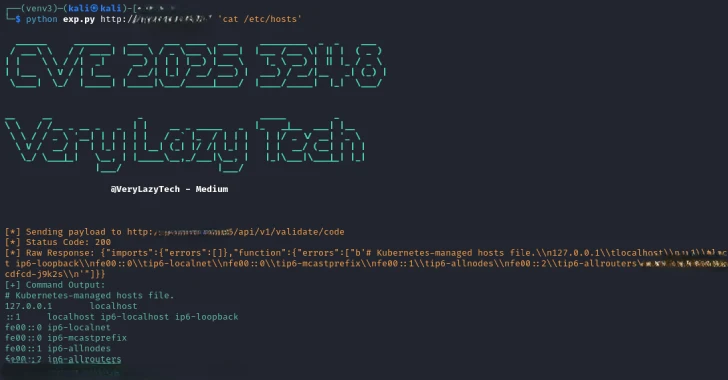
Cybersecurity remains a critical concern as new threats continue to emerge, posing significant challenges for organizations worldwide. This article delves into recent developments in cyber threats, highlighting the methods and implications of various attacks. Understanding these risks is crucial for enhancing defenses and safeguarding sensitive information.
Telecom Infrastructure Risks
Recent reports have raised alarms over potential vulnerabilities within U.S. telecommunications infrastructure linked to Chinese entities. A congressional committee has detailed how these entities might exploit their positions to facilitate cyber operations against the U.S. The focus is on the potential misuse of telecom infrastructure that could enable unauthorized access and activities.
This revelation underscores the necessity for robust security measures in critical infrastructure sectors. Strengthening oversight and implementing stringent security protocols can mitigate such risks, ensuring the integrity of national communications networks.
Advanced Phishing and Supply Chain Attacks
Cyber adversaries have adopted sophisticated phishing techniques, exemplified by the SideWinder group’s use of multi-stage attack chains to deliver malicious software. These tactics involve exploiting trust mechanisms in widely used digital platforms, enabling attackers to gain unauthorized access and persist within networks.
In the realm of supply chain attacks, a campaign known as ‘Flooding Dropper’ has been identified, involving the manipulation of npm packages to distribute malware. Such attacks emphasize the importance of vigilance in software development and the need for comprehensive security audits to prevent unauthorized code execution.
AI and Malware Innovations
The rise of AI-powered cyber attacks presents new challenges for security professionals. AI agents are increasingly being leveraged for complex operations, such as proxyjacking and network infiltration. These developments highlight the dual-use nature of AI technologies, capable of both enhancing and undermining cybersecurity efforts.
Additionally, recent upgrades in malware capabilities, such as the XCSSET targeting macOS users, demonstrate how cybercriminals are evolving their tactics to bypass traditional defenses. Enhanced detection and response strategies are essential to counter these advanced threats effectively.
In conclusion, the cybersecurity landscape is continuously evolving, with attackers employing novel strategies to exploit vulnerabilities. Organizations must remain proactive, adopting comprehensive security frameworks and staying informed about emerging threats to protect their digital assets effectively. As new threats arise, reinforcing trust in digital systems and ensuring robust security practices will be vital in maintaining defense against cyber adversaries.